
Last updated September 20, 2026
Full 25-point door and opener safety check with every visit - springs, cables, rollers, tracks, and your LiftMaster or Chamberlain opener included
You get a price before we start. It does not change when the truck arrives.
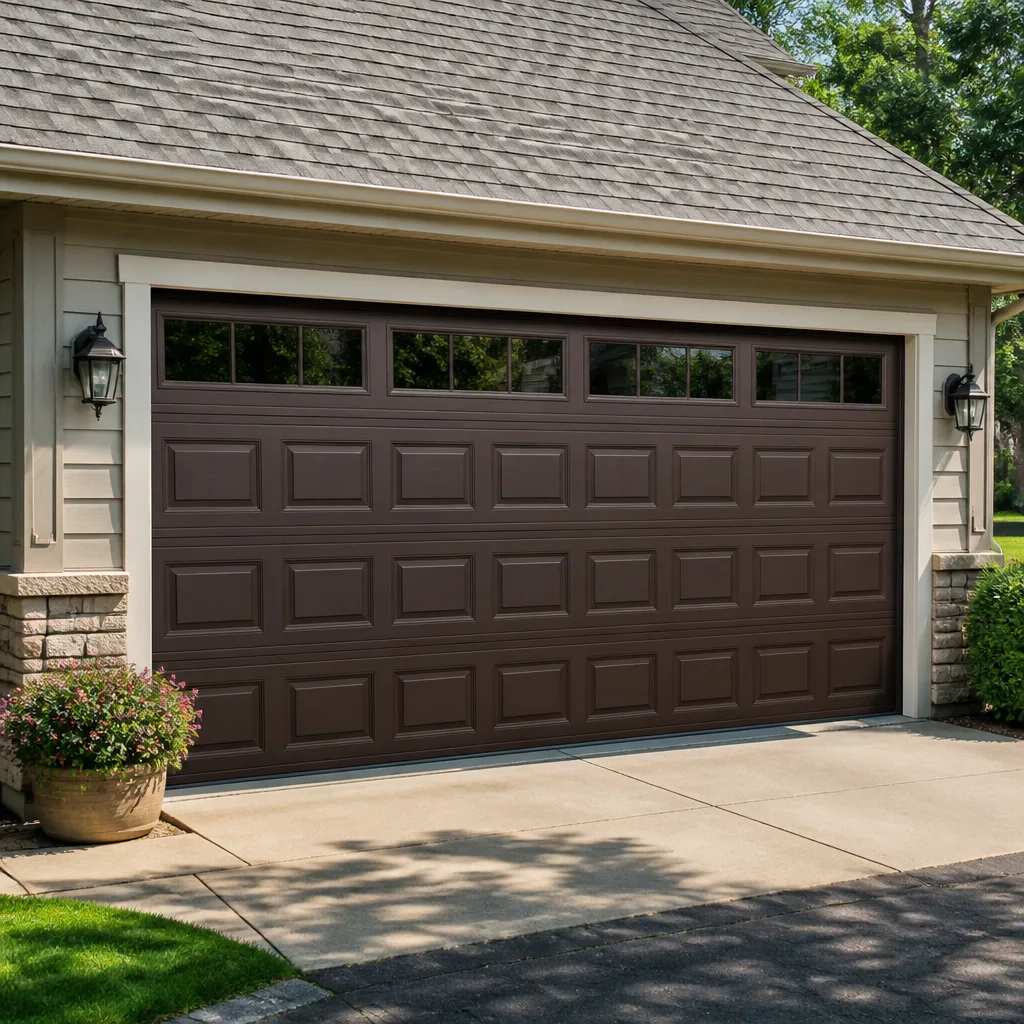
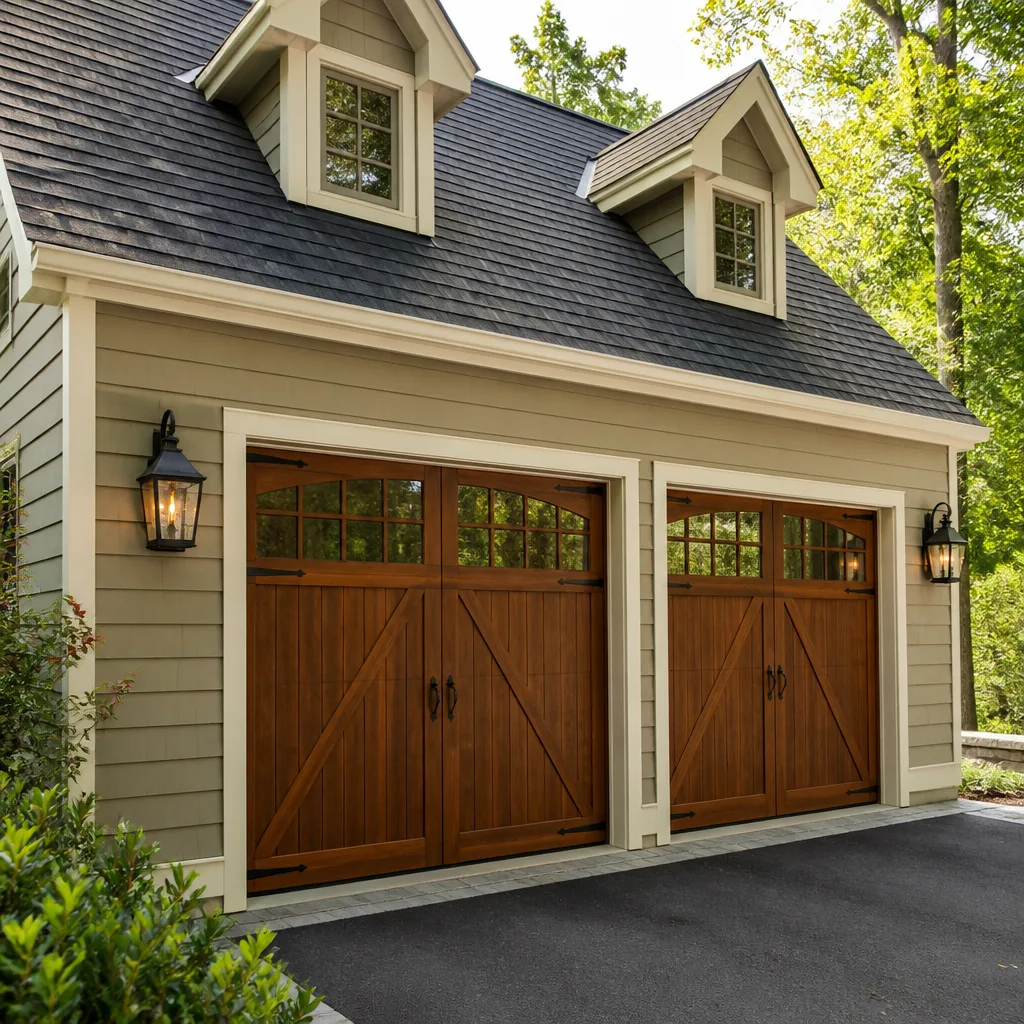
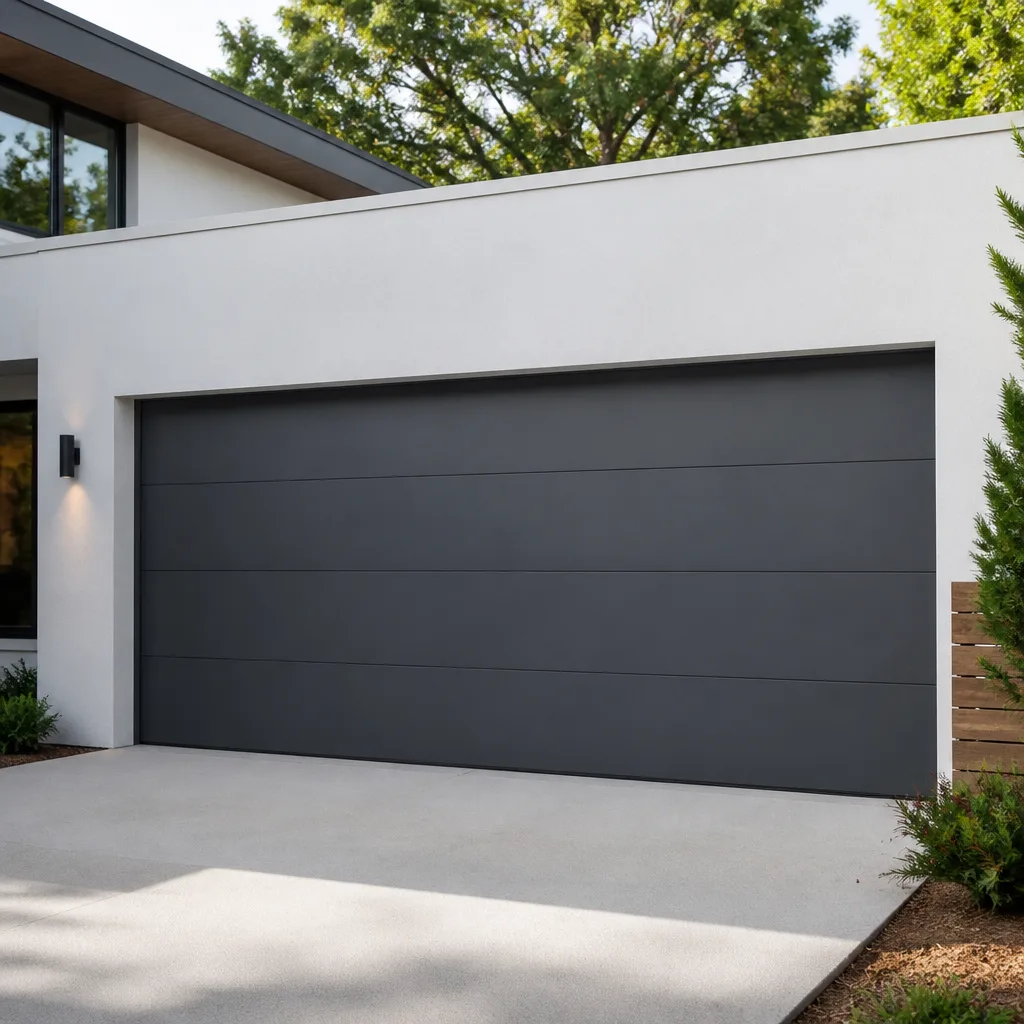
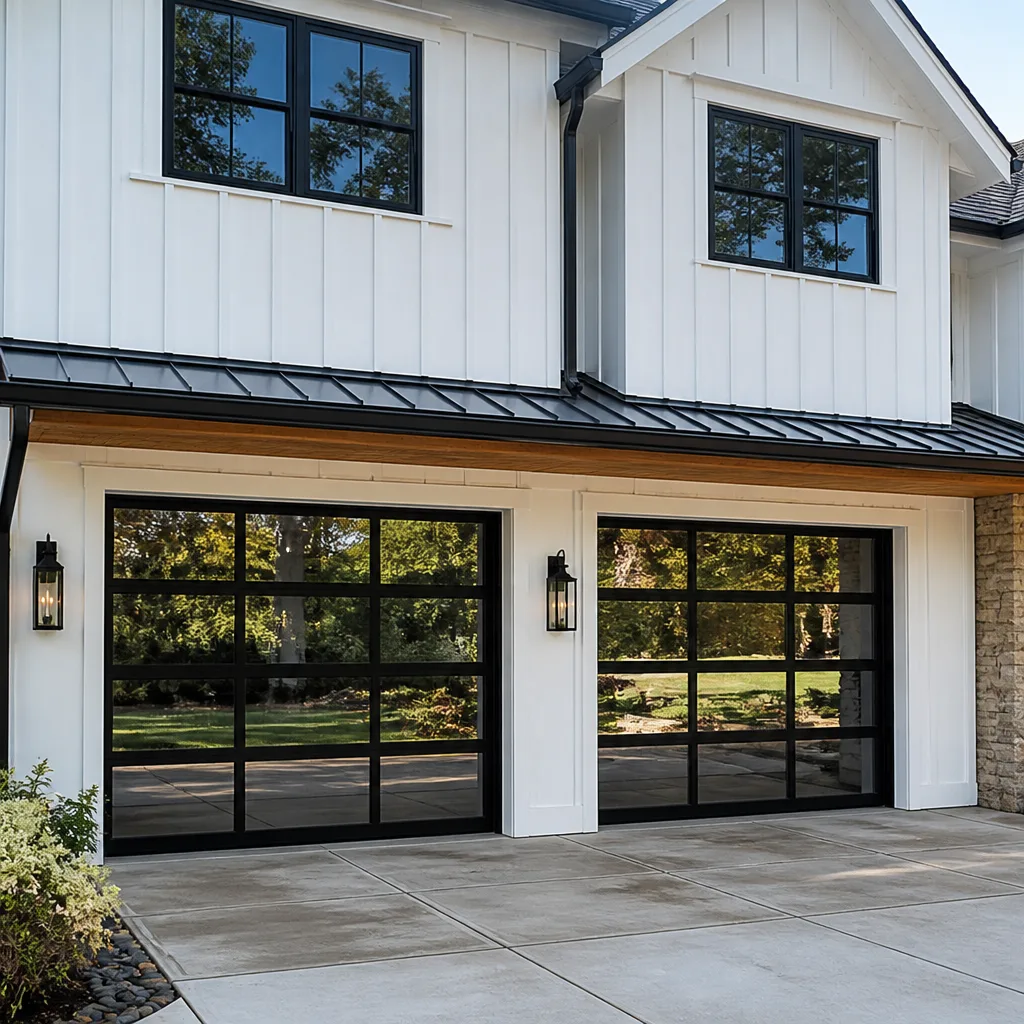
 Before
 After
After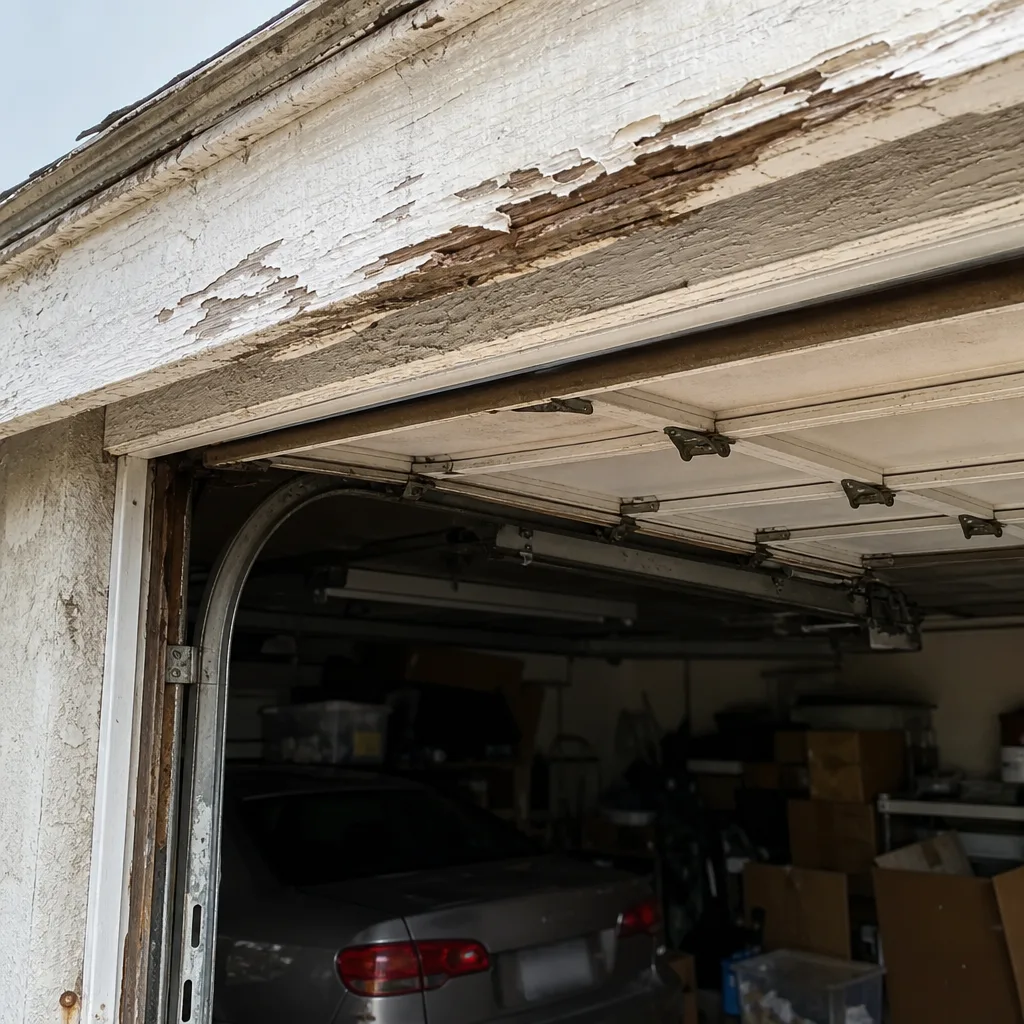 Before
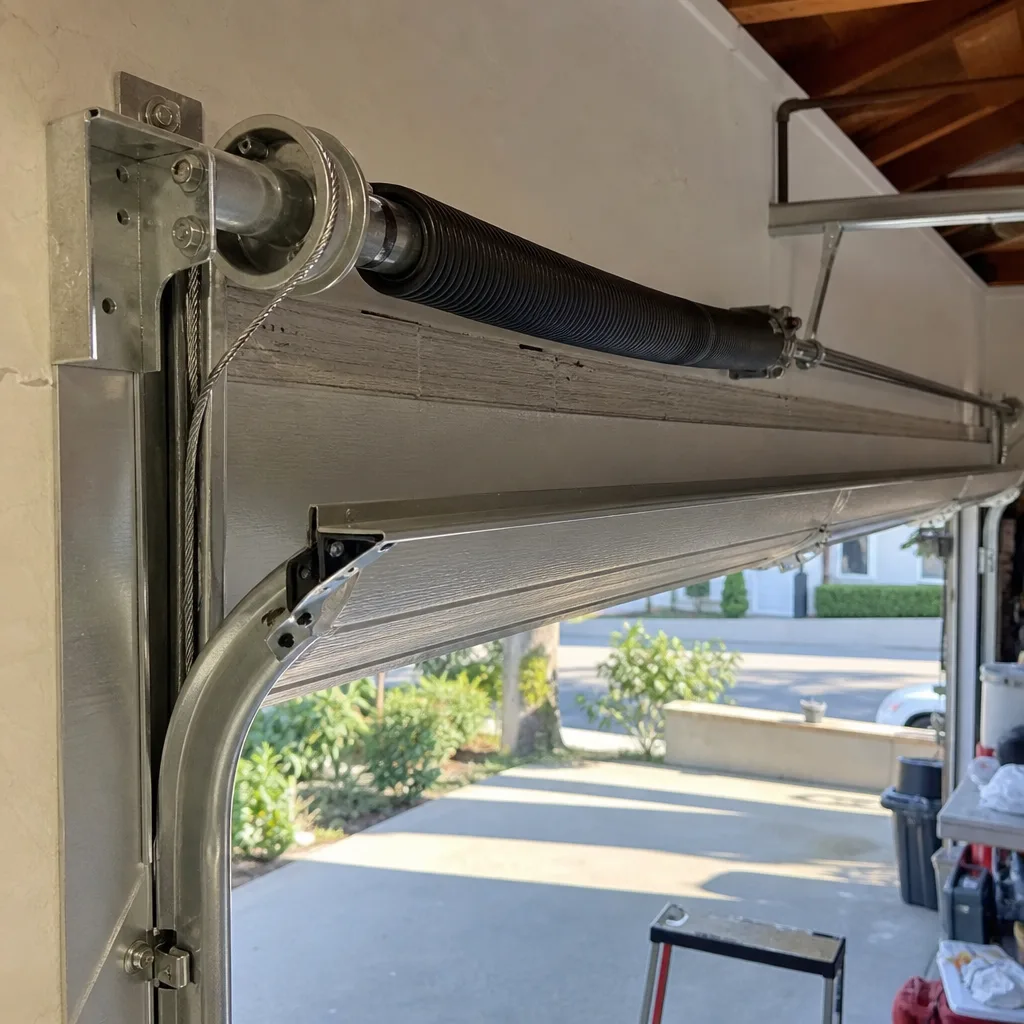 After
After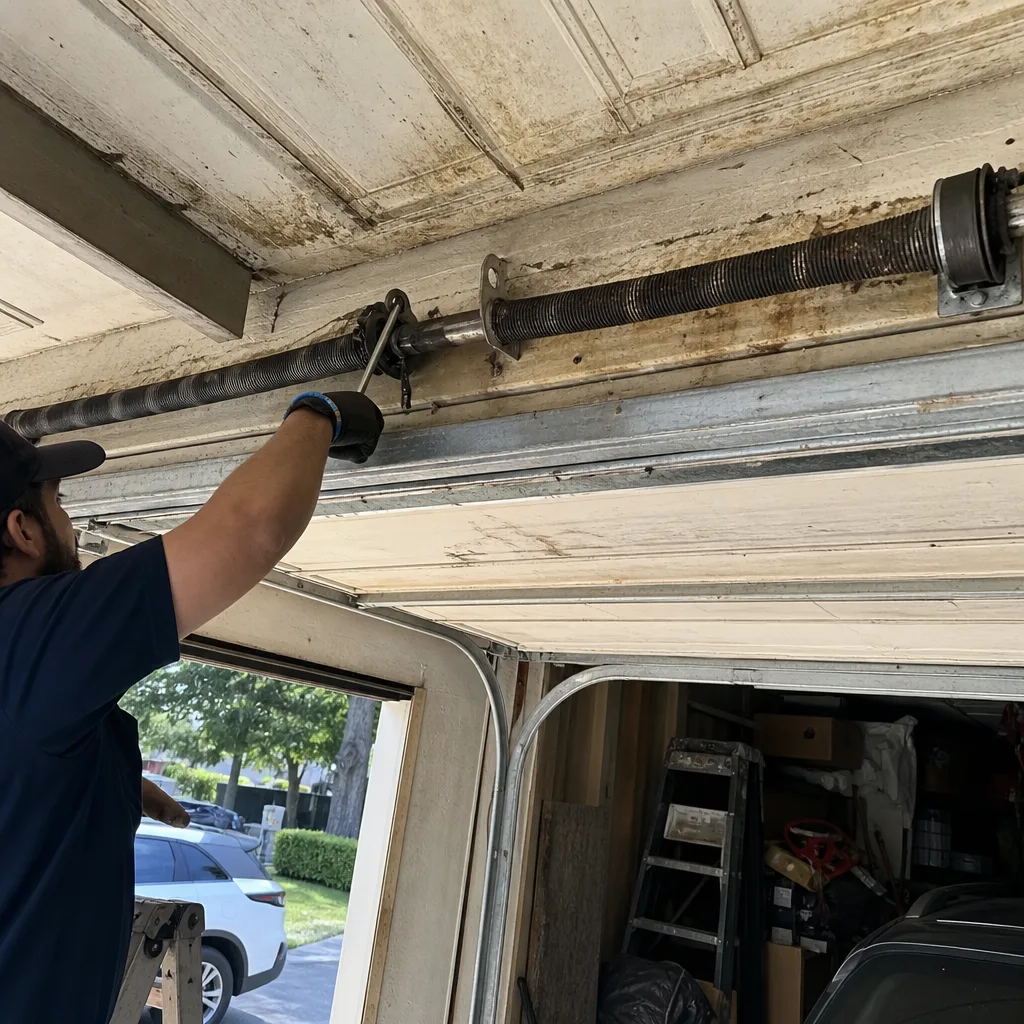 Before
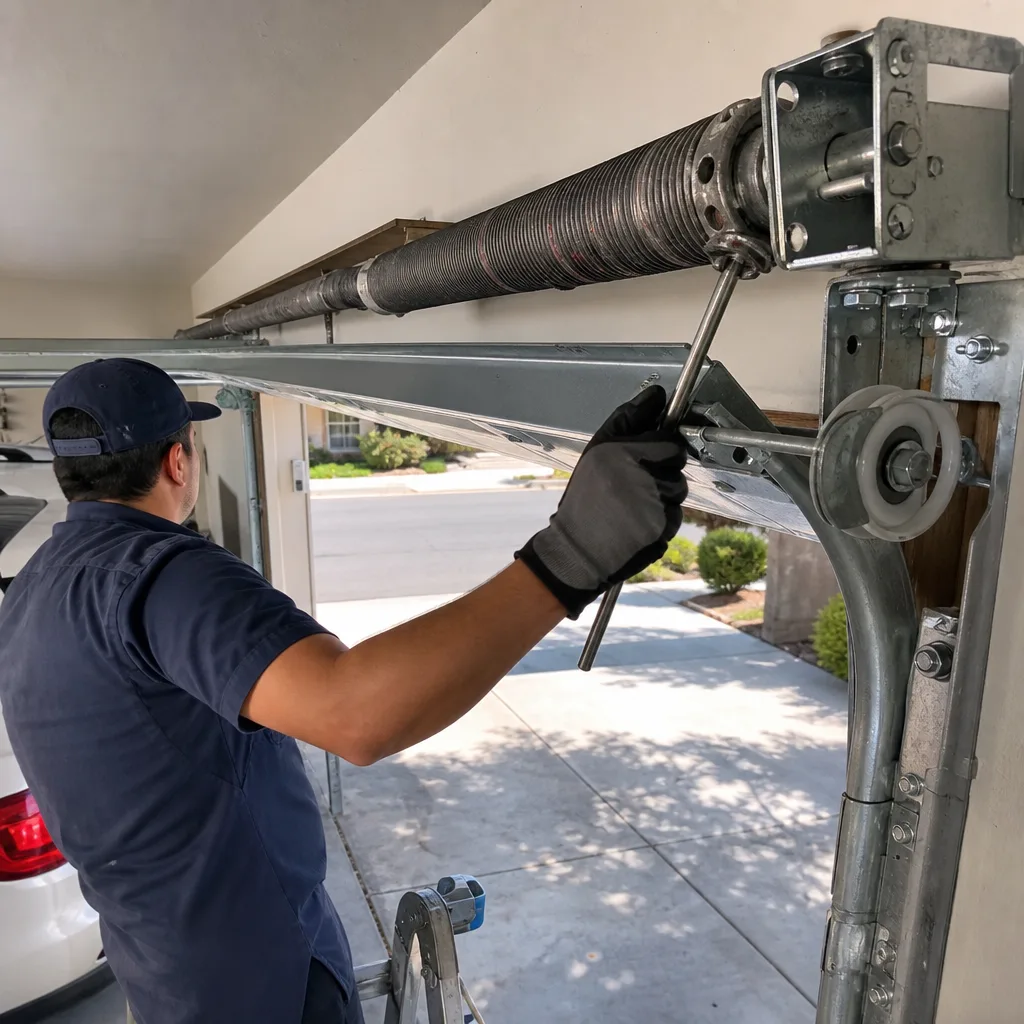 After
AfterGarage Door Permits, Codes & Inspections in CA: What You Need to Know
A garage door replacement completed without the correct permit doesn’t announce itself as a problem on day one. It waits in the property file until you file an insurance claim after a theft, or until a buyer’s inspector pulls records during escrow. By then, the contractor who skipped the paperwork is long gone and the liability is yours alone. This guide walks through exactly what California building code requires for residential garage doors, where Los Angeles County draws its permit lines around Tarzana, and how to keep a door replacement from becoming a quiet liability. For garage door warning signs every Tarzana homeowner should watch for, see our dedicated reference.
Quick Answer
In California, replacing a garage door with a like-for-like unit of the same size, weight, and track configuration is typically permit-exempt under the California Residential Code. A permit is required when the rough opening changes size, the track system is reconfigured, new structural headers or jambs are installed, or a new electrical circuit is added for an opener. Skipping a required permit can void a homeowner’s insurance claim after a loss and complicates any future sale of the home.
Table of Contents
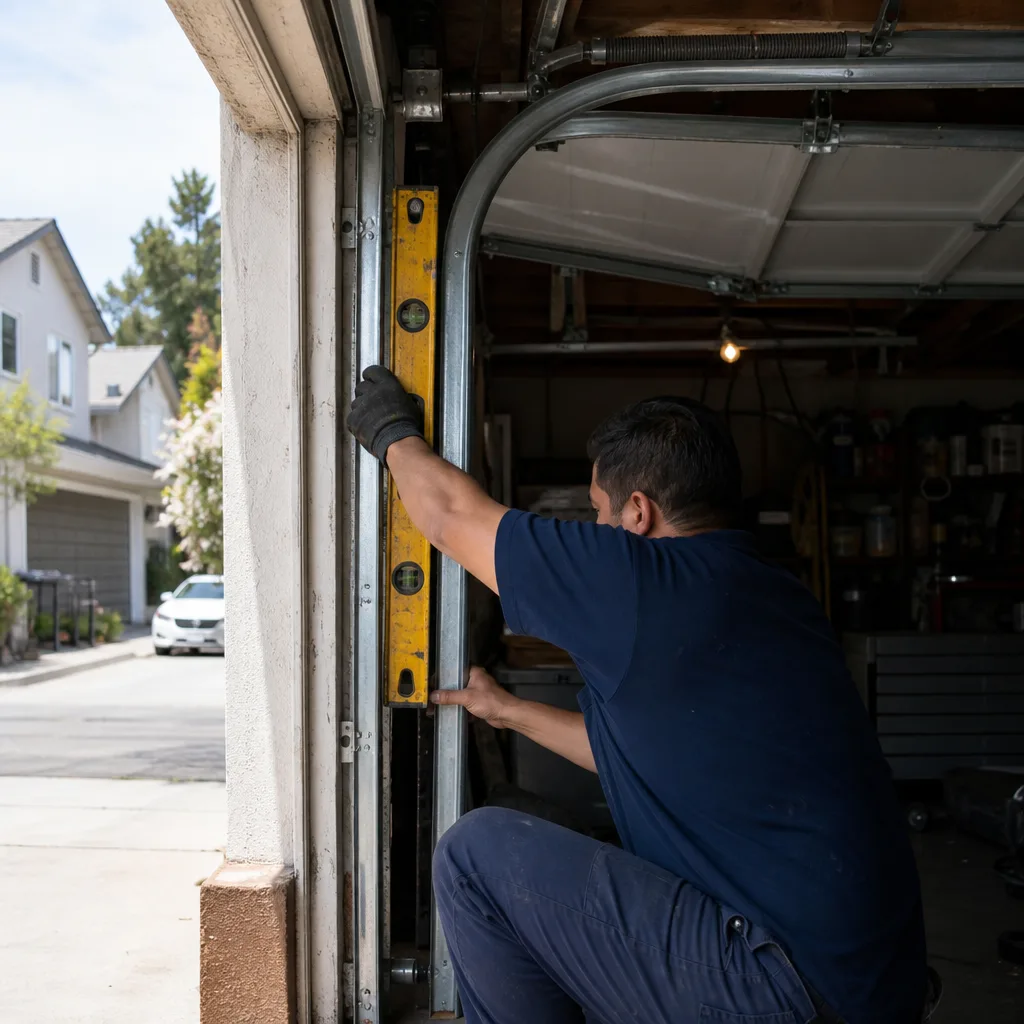
- The California Building Code Sections That Govern Garage Doors
- Where Los Angeles County Draws the Permit Line for Tarzana Homes
- UL 325 and the Entrapment Protection Mandate
- How Unpermitted Opener Wiring Affects HO-3 Insurance Coverage
- The Inspection Process From Scheduling to Sign-Off
- The Paper Trail: What to Keep After the Job Is Done
- Common Mistakes to Avoid
- When to Call a Professional
- Frequently Asked Questions
- The Bottom Line
BeforeAfterThe California Building Code Sections That Govern Garage Doors
California’s residential garage door requirements live in two places: the California Residential Code (CRC) and Chapter 11B of the California Building Code (CBC). Most homeowners never read either one, which is understandable. The language is dense. But the requirements themselves are not complicated once they’re translated.
Chapter 11B deals with accessibility. A residential garage attached to a single-family home is generally exempt from full accessibility standards unless the home is built under specific programs or the garage is used for commercial purposes. However, the accessible route requirements under CBC 11B-206 and 11B-404 do apply to certain multifamily buildings and any garage associated with public accommodations. For a typical Tarzana single-family home built in the 1960s or 1970s, Chapter 11B is rarely triggered by a simple door replacement. What matters day to day is the CRC, which adopts the International Residential Code with California amendments.
CRC Section R309 covers garage separation and fire protection. It requires the garage to be separated from the dwelling by a wall and ceiling that meet specific fire-resistance ratings. The door itself must also meet certain standards. Specifically, CRC Table R302.6 requires that an attached garage door be a solid wood door not less than 1-3/8 inches thick, a solid or honeycomb-core steel door of equal thickness, or a 20-minute fire-rated door. A standard insulated steel garage door with a polystyrene core meets this requirement. A single-layer non-insulated steel door may not.
R310 covers emergency escape and rescue openings. This section is typically cited for basement egress windows, but it has a garage door angle. When a garage is converted to living space without a permit, the original garage door opening often violates R310 if the room becomes a bedroom. In Tarzana, we have seen several garage conversions where the former overhead door was replaced with a wall and a standard door that did not meet egress size. The violation surfaces at sale. It is not the door itself that fails; it is the new room’s lack of a compliant opening.
UL 325 is referenced by the CRC for automatic garage door openers. It is a safety standard maintained by Underwriters Laboratories, not a building code section per se, but California has adopted it by reference. We will cover UL 325 in detail below, because it is the single most commonly violated requirement on residential garage door work in the Los Angeles area.
Wind load requirements also apply. CRC Section R301.2.1 incorporates Southern California’s wind speeds, which range from 85 to 110 mph depending on exposure. A door ordered for a home in the San Fernando Valley with an Exposure B rating is not automatically compliant for a property in the hills above Tarzana with Exposure C. This is one reason a cheap internet-ordered door without a local supplier’s engineering sticker can fail an inspection even when the installation itself is clean.
For anyone in Tarzana looking at a garage door replacement, the practical takeaway from the code sections is this: the door must be fire-rated per R302.6 if attached to the home, the opener must meet UL 325 entrapment standards, and wind exposure must match the site. A contractor who cannot tell you which CRC section their installation complies with is a contractor to avoid.
Where Los Angeles County Draws the Permit Line for Tarzana Homes
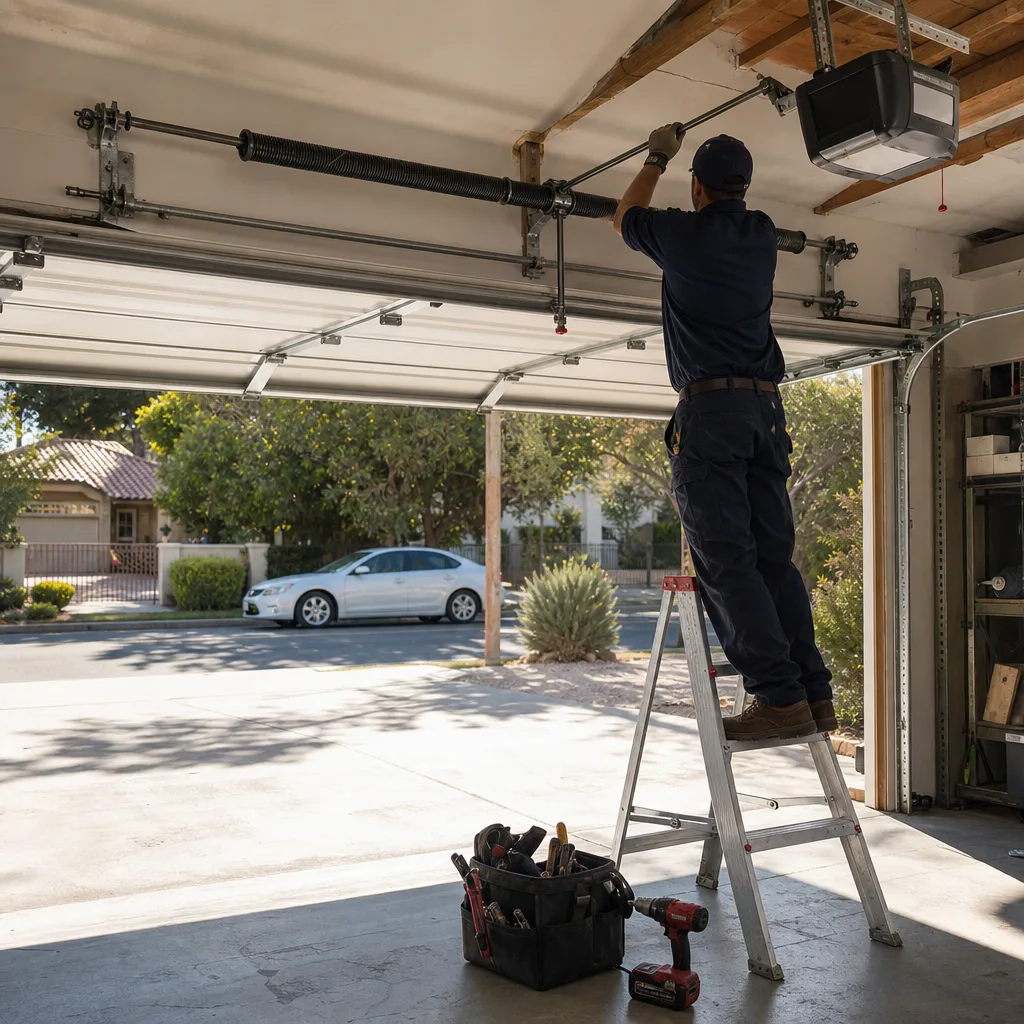
California law under Health and Safety Code Section 17958 establishes when local jurisdictions can require permits. Los Angeles County’s Building and Safety Division applies a clear standard for residential garage doors: like-for-like replacement is exempt; structural or configuration changes require a permit. The line between those two categories is where most confusion lives.
Here is the practical breakdown for a Tarzana homeowner:
- Permit-exempt: Removing a standard sectional steel garage door and installing a new sectional steel garage door of the same width, height, and weight, using the same track configuration and the same opener circuit. No structural changes to the header, jambs, or rough opening.
- Permit-required: Widening the rough opening to fit two cars instead of one. Changing from a tilt-up one-piece door to a sectional roll-up. Adding a second door where one did not exist. Installing a new header or modifying the existing one. Any change to the foundation stem wall or jamb structure.
- Gray zone: Replacing a wooden door with a significantly heavier steel door. If the new door exceeds the weight rating of the existing spring and track system, the track conversion itself may need review even though the rough opening is unchanged.
Los Angeles County also requires an electrical permit for any new circuit or any modification to an existing garage circuit. Replacing an opener that plugs into an existing receptacle is a plug-in appliance and does not trigger an electrical permit. Hardwiring a new opener, adding a dedicated 20-amp circuit for a jackshaft opener, or moving an outlet requires one.
In Tarzana specifically, we work on homes built across six decades. The 1950s and 1960s ranchers south of Ventura Boulevard often have original wood garage headers that were never engineered for modern insulated steel doors that weigh 180 to 250 pounds. The 1970s and 1980s two-story homes north of the Boulevard sometimes have undersized header beams that show sag over a wide two-car opening. These are the properties where a “like-for-like” replacement crosses into structural territory once a contractor starts checking load paths.
The price difference matters. A typical LA County residential building permit for a garage door structural modification runs from $180 to $450 depending on the valuation of the work. An electrical permit for a new opener circuit runs $90 to $180. These are not prohibitive numbers, and they protect the homeowner in ways a verbal reassurance from a contractor cannot.
UL 325 and the Entrapment Protection Mandate
UL 325 is the safety standard that has governed automatic garage door openers since 1993. It is not part of the California Residential Code by original invention; California adopted it by reference, making it enforceable at inspection. The standard mandates entrapment protection devices on every automatic garage door opener manufactured after January 1, 1993. Without these devices, an opener cannot legally be installed as new equipment in California.
What does entrapment protection mean in plain terms? Two things. First, a reversing mechanism: when the door encounters an obstruction while closing, it must reverse direction within two seconds. Second, a photoelectric sensor: an invisible beam set no higher than six inches above the garage floor that, when broken, stops and reverses the door.
Openers manufactured before 1993 have no photoelectric sensors and often no reliable reversing mechanism. They are still out there. We have removed them from Tarzana garages where the opener was older than the current homeowner’s mortgage. The issue is not just convenience; it is a documented safety hazard. A door without UL 325 protection can exert over 130 pounds of downward force before the motor stalls. That is enough to injure a child or an adult.
California takes this seriously enough that the law requires any garage door repair company that services an opener to bring it into compliance. A technician who replaces a gear on a pre-1993 opener without installing a UL 325-compliant retrofit kit is creating liability for the homeowner, and in the worst case, a coroner’s report names the property owner.
All eight major brands we service, including LiftMaster, Chamberlain, and Genie, have been UL 325 compliant since the mandate took effect. Raynor and Genie both manufacture current-model openers with battery backup that meet the standard and exceed it. The compliance issue is never a new opener; it is always the old one still hanging from the ceiling.
One note for Tarzana buyers and sellers: a home inspection report that flags a “non-compliant garage opener” is almost always referring to a pre-1993 unit. It is a common contract renegotiation item. The fix is a new opener with sensors, and in our experience it runs from $425 to $750 installed, depending on drive type and whether the old unit needs new wiring.
How Unpermitted Opener Wiring Affects HO-3 Insurance Coverage
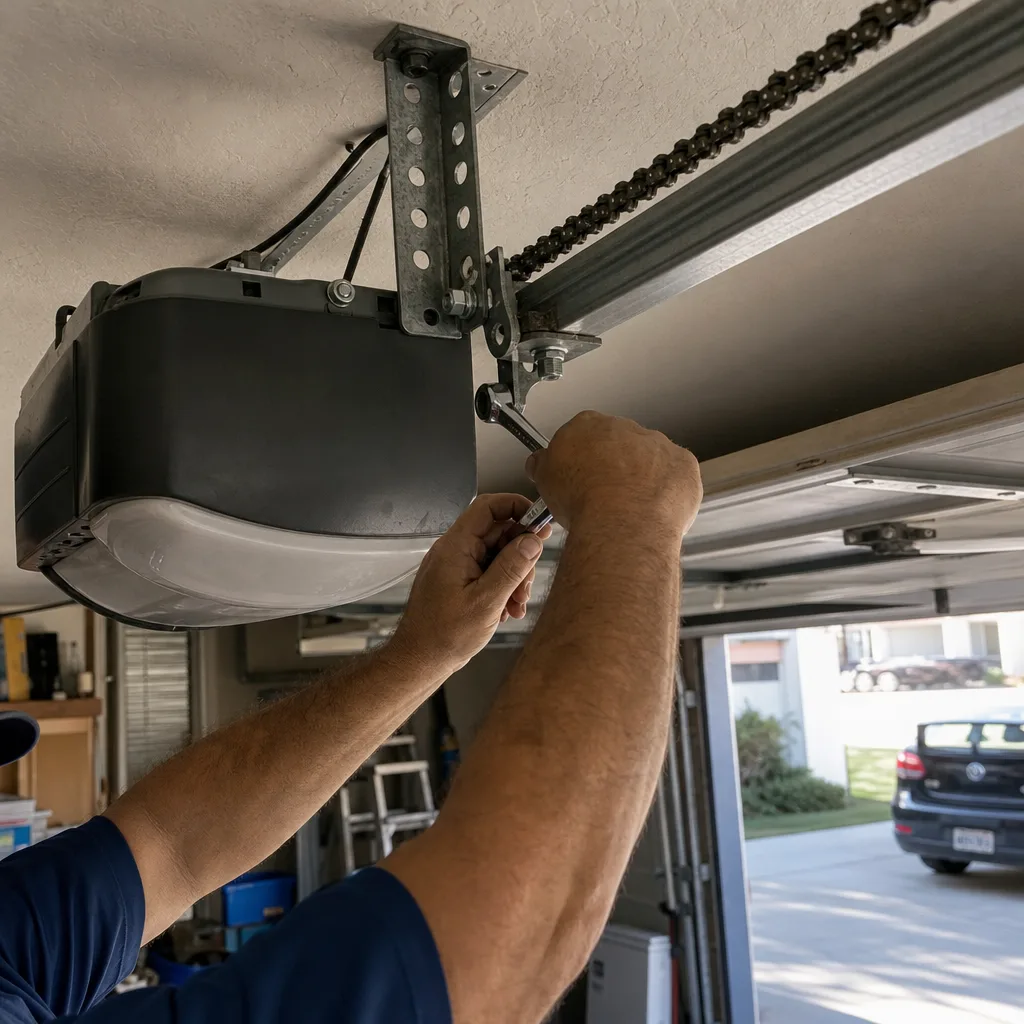
Standard California homeowners insurance is written on an HO-3 policy form. HO-3 is named-peril coverage for the structure and open-peril coverage for personal property. Garage doors and openers fall under Coverage A, the dwelling. Here is what most policyholders do not realize until after a loss: HO-3 policies include an exclusion for damage caused by work that did not comply with building codes or required permits.
Most HO-3 forms contain language like this: “We do not insure for loss caused by the enforcement of any ordinance or law regulating the construction, repair, or demolition of a building or other structure.” That is the ordinance-or-law exclusion. Then there is the faulty workmanship exclusion, which denies coverage for loss caused by the repair itself when the repair was deficient.
The practical scenario: a homeowner unpermitted electrical work runs a new circuit for a garage door opener. Six months later, an electrical short in that circuit causes a fire in the garage. The insurer investigates. The investigation shows the circuit was added without a permit and without inspection. The insurer denies Coverage A for the garage and its contents under the faulty workmanship and building code exclusions. The homeowner is left with a burned garage and a claim denial letter.
That is not a hypothetical. That is the exact fact pattern we have seen on two separate Tarzana properties in the last five years. Both homeowners believed the permit was the contractor’s problem. It is not. Under California law, the property owner and the contractor share responsibility for obtaining required permits, but the financial consequence of a denied claim lands entirely on the owner.
The fix is simple and inexpensive relative to the risk: require a permit for any new electrical circuit, verify the permit number before work starts, and keep the final inspection sign-off in the property file. At Servo Garage Doors Tarzana, we include permit documentation as part of the written scope on every job where a permit applies, per Clause 1 of The Haven Standard. Our customers receive the permit number before the first day of work, not after.
The Inspection Process From Scheduling to Sign-Off
For the permit-required garage door work in Los Angeles County, the inspection process follows a predictable sequence. Understanding it removes the fear factor that keeps homeowners from pulling permits they should pull.
Here is how it works for a typical Tarzana garage door structural modification:
- Permit application. The contractor or homeowner files with LA County Building and Safety. Residential work of this scope does not require plans unless the rough opening modification exceeds 4 feet in width change or involves a new header design. The application includes the project valuation, which sets the permit fee, typically $180 to $450 for this work.
- Plan review (if applicable). For rough-opening widening or new header installation, a plan reviewer checks the proposed header size against CRC span tables. This review typically adds 1 to 2 weeks for residential work.
- Permit issuance. The permit is issued and must be posted on the job site. A copy should stay in the homeowner’s file.
- Rough framing inspection. After demolition and before the new door frame is covered, the inspector verifies header size, jamb anchors, and any fire-blocking. This inspection is mandatory and cannot be skipped.
- Final inspection. After the door and opener are installed, the inspector verifies door operation, UL 325 compliance on the opener, fire rating on the door, and any electrical work. In LA County, final inspections for residential garage work typically happen within 2 to 5 business days of scheduling, depending on the district office volume.
- Sign-off. The inspector signs the permit card. The homeowner receives a record of final approval. This is the document that matters for resale and insurance.
One thing that surprises Tarzana homeowners: the inspector does not test your garage door springs. The structural and electrical items are the inspection’s focus. Spring condition, balance, and door operation under load are the installer’s responsibility, not the county’s.
In our experience, most LA County inspectors are reasonable and thorough. They want the work to pass. What fails an inspection is not a mystery: the wrong header size for the opening span, missing UL 325 sensors on a new opener, or electrical work done without the corresponding permit. All three are preventable.
The Paper Trail: What to Keep After the Job Is Done
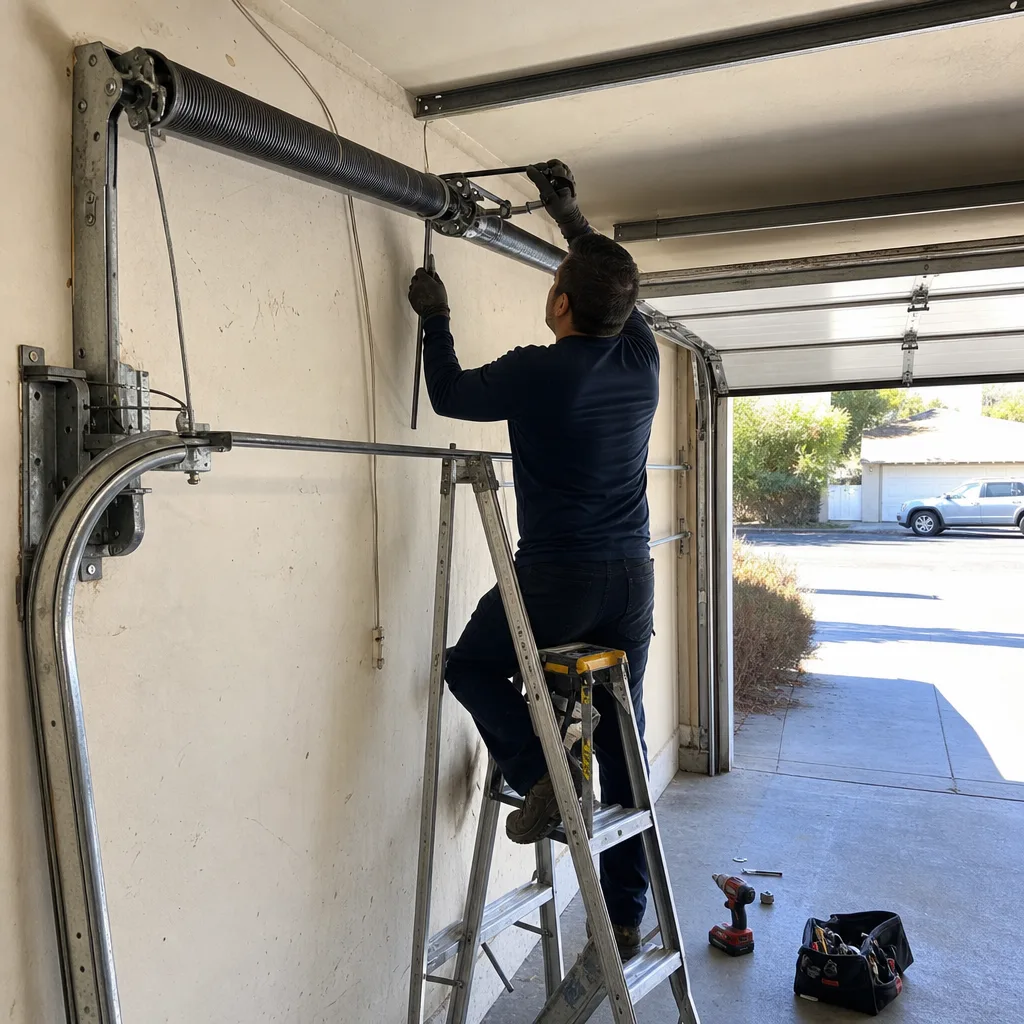
Permits expire. Memories fade. The paperwork is what survives. For any garage door project in Tarzana, whether permit-exempt or permit-required, here is the documentation worth keeping in the property file:
- The permit card and final inspection sign-off. Keep the original if possible, or at minimum a dated photograph of the signed card.
- The written scope of work from your contractor. It should name the door model, size, weight, spring type and size, and track configuration. A vague one-page quote does not serve you at a later date.
- The manufacturer’s specification sheet for the door. This proves fire rating and wind load rating if either is ever questioned.
- Photo documentation of the pre-existing condition. Before and after photos are evidence if a dispute arises about what was existing versus what was installed.
- The written warranty. Not a verbal promise. A written warranty with a clear term and a clear process for claims.
- The contractor’s license number and insurance certificate. You will want these if the company dissolves or a warranty claim becomes a complaint.
This is the documentation system we have built into The Haven Standard. Clause 4 requires that the technician photograph the failed component before quoting a replacement. That photo becomes part of the customer’s record. If a spring breaks on a door we installed, the customer can see the spring’s condition at installation and compare it to the failure. Evidence instead of claims.
For a homeowner buying a resale property in Tarzana, this documentation checklist is also a due-diligence tool. When you tour a home and the garage door looks newer than the surrounding fixtures, ask the seller for the permit record if one applies, or the contractor’s invoice if the work was permit-exempt. A seller who cannot produce either is a seller whose garage door history has a gap in it.
Common Mistakes to Avoid
- Assuming the contractor handled the permit. Contractors sometimes say the work is permit-exempt when it is not, because pulling a permit adds a week to the schedule. Verify the exemption yourself against the LA County standard. If a permit applies, ask for the permit number before work starts.
- Ordering a door online without checking wind exposure. A door ordered from a national retailer may carry a Florida wind rating and no California engineering data. In the hills above Tarzana, a door without proper exposure documentation can fail resale inspection even if it functions fine.
- Replacing a wooden door with a heavier steel door without upgrading the spring and track. The new door’s weight exceeds the old system’s rating. The opener strains. The spring life drops by half or worse. The rough opening is unchanged, so this feels like a simple swap. It is not.
- Keeping a pre-1993 opener after a new door is installed. New door, old opener, no sensors. The installation looks modern but violates UL 325 and creates entrapment risk. A buyer’s inspector will flag it.
- Hardwiring a new opener on an existing circuit without an electrical permit. This is the insurance-exclusion trap described above. The wiring works. The liability attaches. When the claim is filed, the permit is missing.
- Converting a garage to living space without addressing the door opening. The garage door opening becomes a bedroom or an office with the original overhead track still in place. R310 egress requirements now apply to that room, and the old door opening does not meet them.
- Paying for the whole job in cash up front. A written price before work starts is reasonable. Full payment before the job is permitted and inspected is not. A contractor who demands it is a contractor to walk away from.
When to Call a Professional
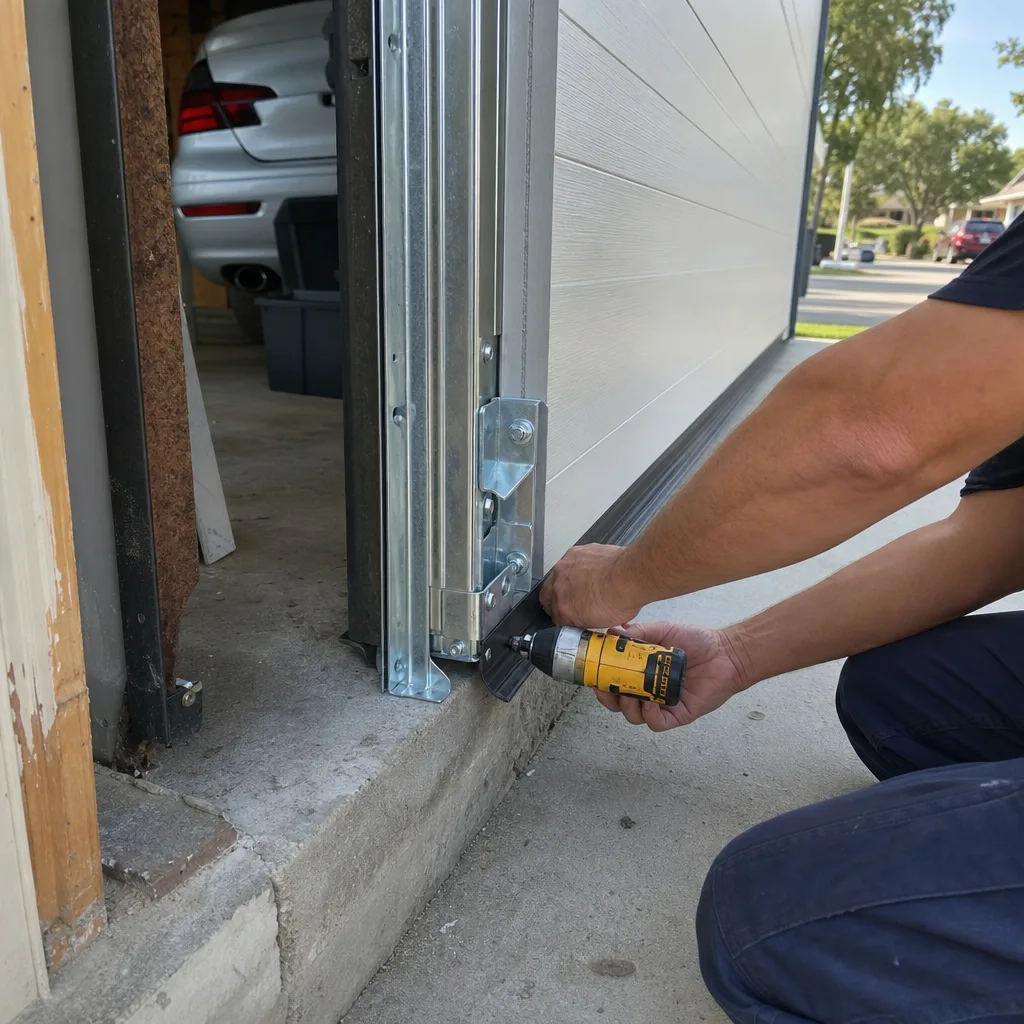
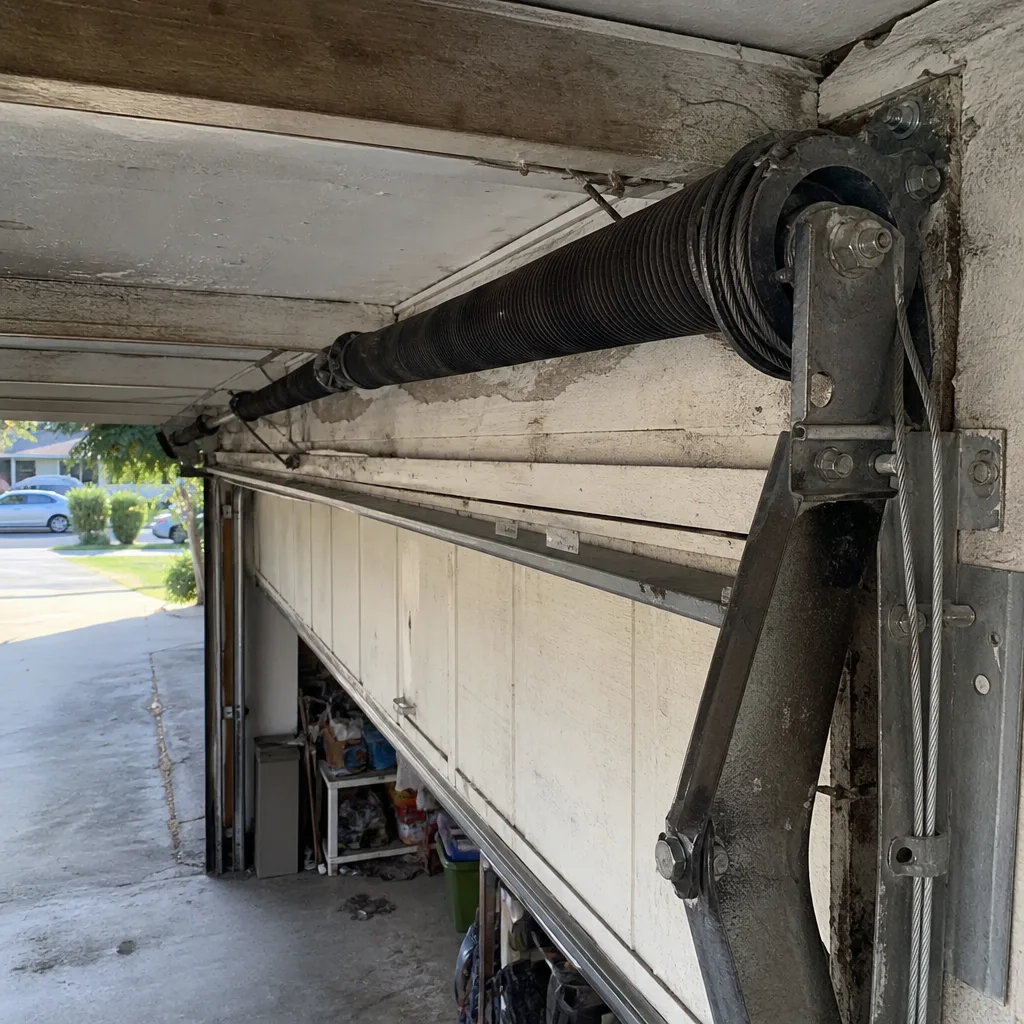
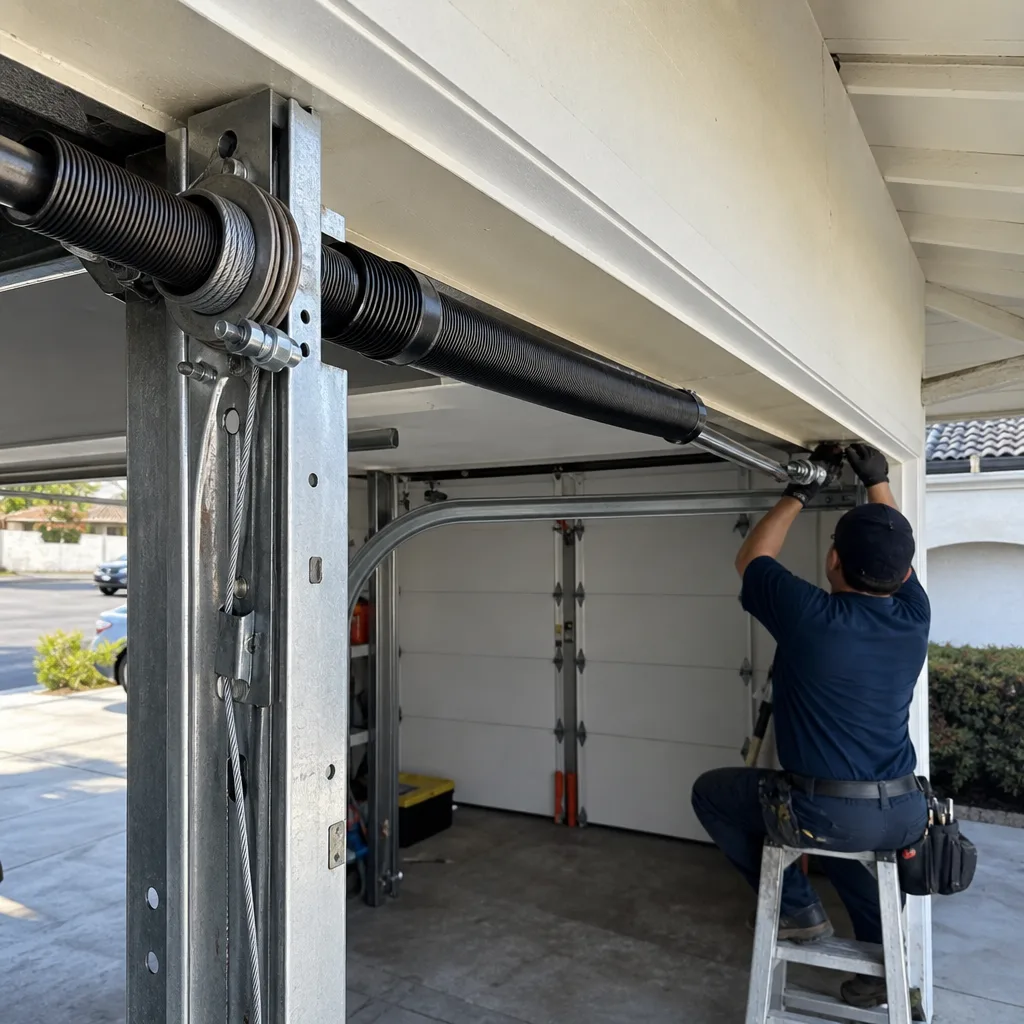
Some garage door work is genuinely DIY-able. Replacing a wall button or cleaning a photoelectric sensor lens is routine maintenance. What is not DIY-able is the structural and electrical side of the work: widening a rough opening, replacing a header, running a new circuit, or retrofitting a pre-1993 opener to UL 325 compliance. These are the jobs where a mistake creates a code violation, an inspection failure, or a safety hazard. Torsion springs under load are the most dangerous component in the entire garage. A spring under tension stores enough energy to cause serious injury or death if it releases unexpectedly while someone is working on it. We do not recommend that anyone without professional training touch a torsion spring. The same applies to any work involving the track system’s load path. Garage Door Repair in Tarzana is built around this distinction: we tell you what the job requires, including the permit, before any work begins.
Servo Garage Doors Tarzana offers free estimates in Tarzana, and every estimate includes a written scope and a written price per Clause 1 of The Haven Standard. Call (424) 372-1317 and a live person will answer, not a recording. If you are comparing another company’s written estimate, bring it and we will give you a free second opinion.
Frequently Asked Questions
In most cases, no, if you are replacing a door with a like-for-like unit of the same size, weight, and track configuration. A permit is required when the rough opening changes, the track system is reconfigured, structural components like headers or jambs are altered, or a new electrical circuit is added for an opener. When in doubt, check with LA County Building and Safety or ask your contractor to confirm the exemption in writing. Call (424) 372-1317 and we will tell you whether your specific job needs a permit before anything is scheduled.
The threshold is structural in nature: any change to the rough opening dimensions, any modification to the header or jamb structure, any change in door type that requires different track mounting, or any new electrical circuit for an opener. Like-for-like replacement, where the new door matches the old door’s size, weight, and track system, is permit-exempt. A free consultation will confirm which side of the threshold your project falls on.
Yes. Standard California HO-3 policies exclude loss caused by work that did not comply with building codes or required permits. If an unpermitted electrical circuit for a garage door opener causes a fire or other damage, the insurer can deny the claim under the faulty workmanship or building code exclusions. The permit is a small cost compared to the exposure. For an exact quote on permitted opener installation, call (424) 372-1317.
A residential garage door structural permit in Los Angeles County typically costs $180 to $450 depending on project valuation. An electrical permit for a new opener circuit runs $90 to $180. These are county fees above the cost of the door and labor. A written estimate from us will list any permit fees as a separate line item so you see exactly where the money goes.
UL 325 is the safety standard that requires automatic garage door openers to include entrapment protection: a reversing mechanism and photoelectric sensors mounted no higher than six inches above the floor. Openers manufactured before 1993 do not meet this standard and are a compliance and safety liability. If your opener predates 1993, plan to replace it. We carry UL 325-compliant openers from LiftMaster, Chamberlain, and Genie, and installation includes verification of sensor placement and reversal force. Call (424) 372-1317 for a written price.
For permit-required work in Tarzana, the rough framing inspection and final inspection each take 15 to 30 minutes on site. Scheduling turnaround with LA County DPW typically runs 2 to 5 business days for residential garage work. Plan for one to two weeks total between scheduling and sign-off, not including any plan review time if the rough opening is being widened. We handle the scheduling and coordinate the inspection for you as part of the permit scope.
The Bottom Line
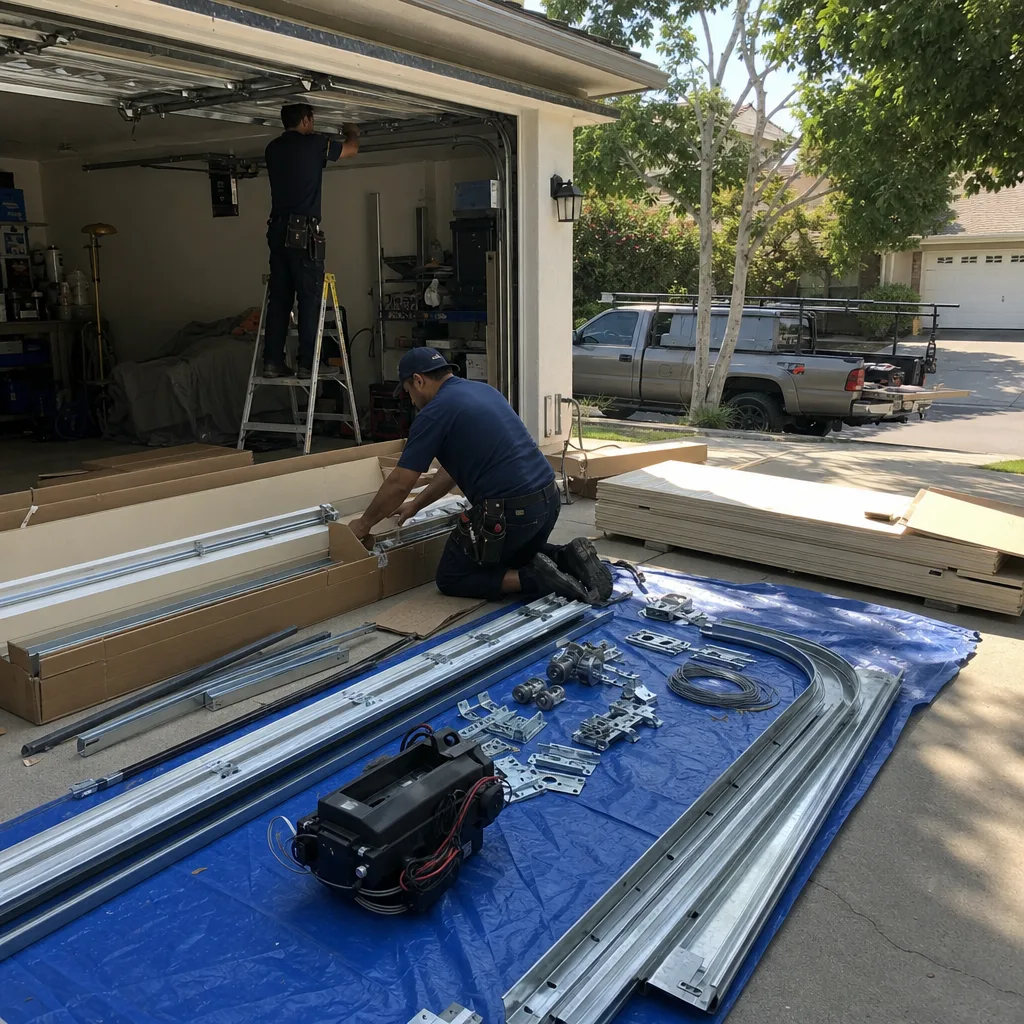
California’s garage door rules are not designed to punish homeowners. They exist to keep a moving, motorized, fire-rated barrier from becoming a safety hazard or an insurance liability. The permit line is clear once you know where it sits: like-for-like replacement is exempt; structural, track, or electrical changes are not. UL 325 compliance applies to every opener installed after 1993, and anything older should be replaced. Documentation is the variable most homeowners control poorly, and it is the one that matters most at claim time, at sale time, or when a contractor’s warranty turns out to be a phone number that no longer rings. As Servo Garage Doors Tarzana home demonstrates, a written price, a written scope, and a photo record on every visit remove the guesswork from a transaction that should not have any.
If you are in Tarzana and need garage door work done right, with the permit clearly identified, the price in writing before any work starts, and a documented record when the job is finished, call (424) 372-1317. We answer live, 24/7, and we will tell you exactly what your project requires. That is the way it should work.
Written by Marcus Deller, Owner at Servo Garage Doors Tarzana, serving Tarzana since 2015.