
Last updated September 20, 2026
Full 25-point door and opener safety check with every visit - springs, cables, rollers, tracks, and your LiftMaster or Chamberlain opener included
You get a price before we start. It does not change when the truck arrives.
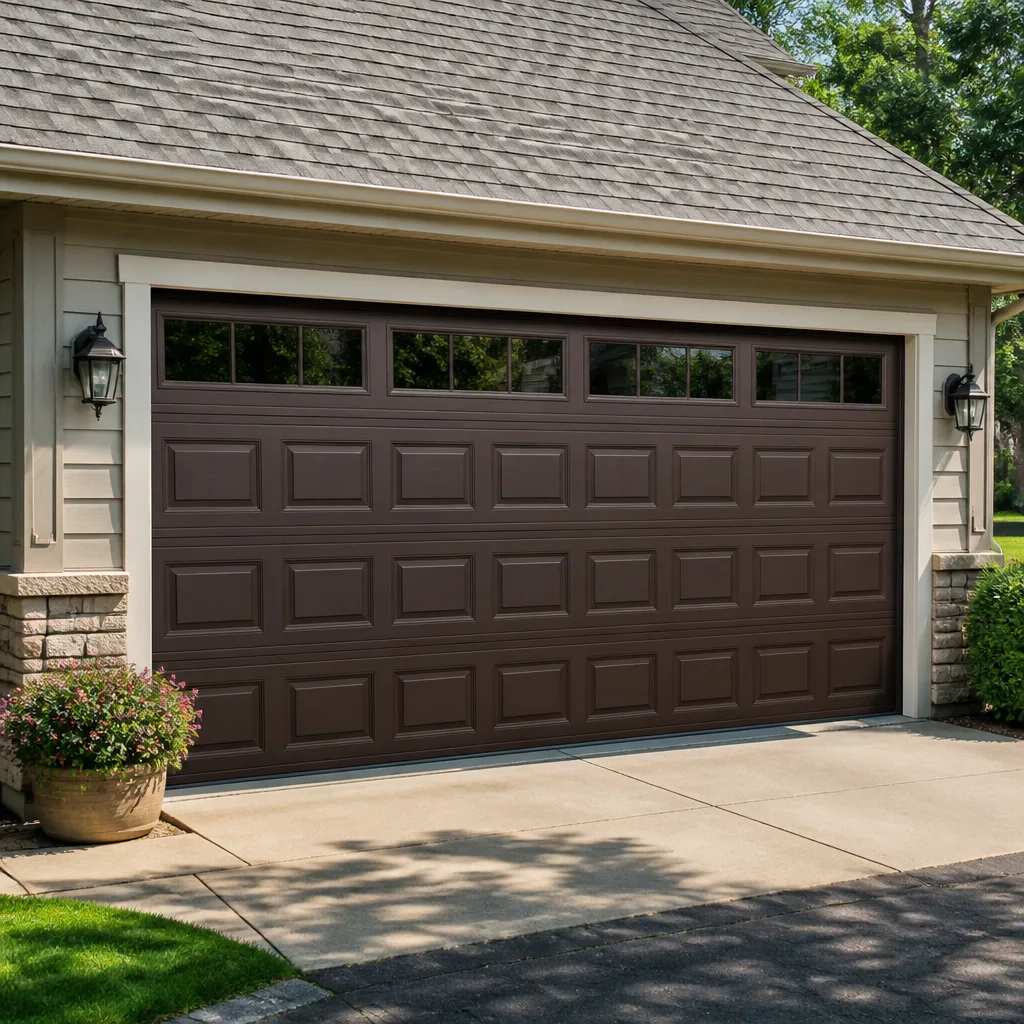
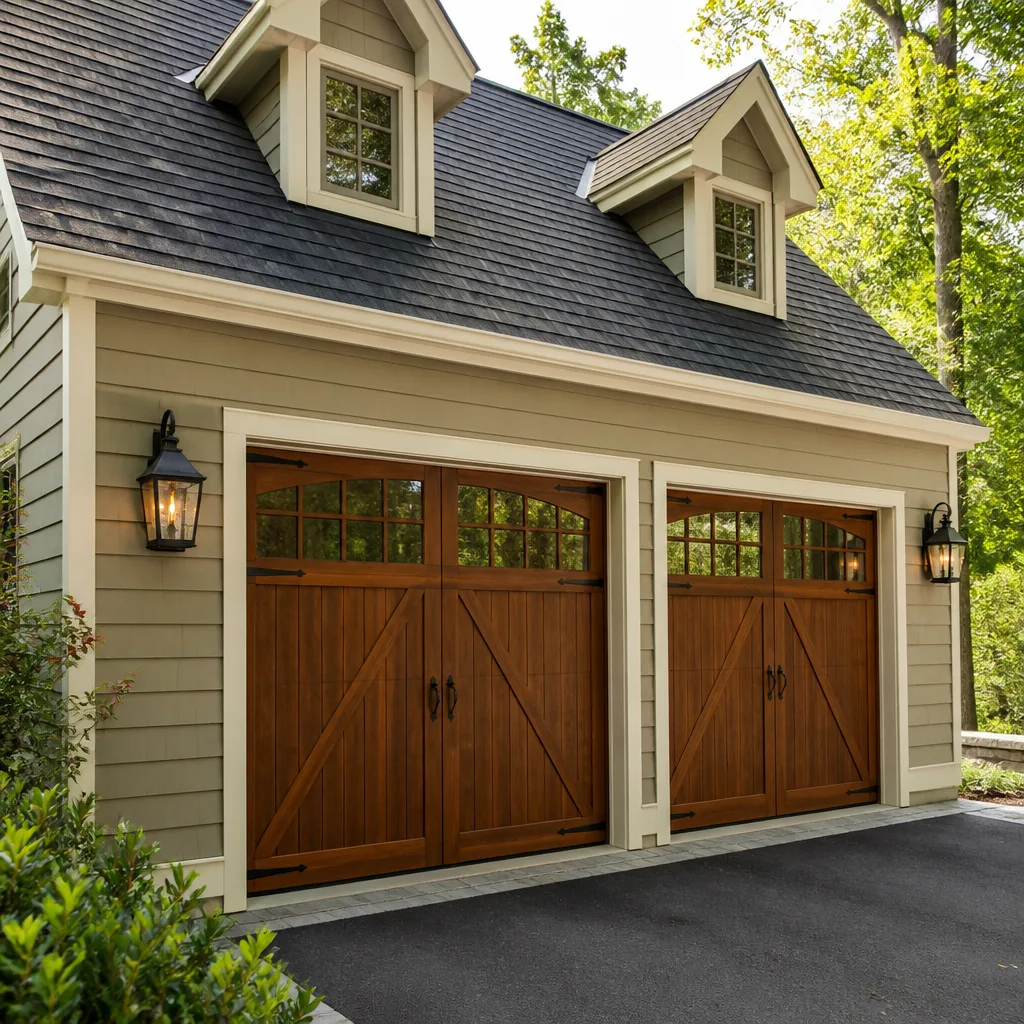
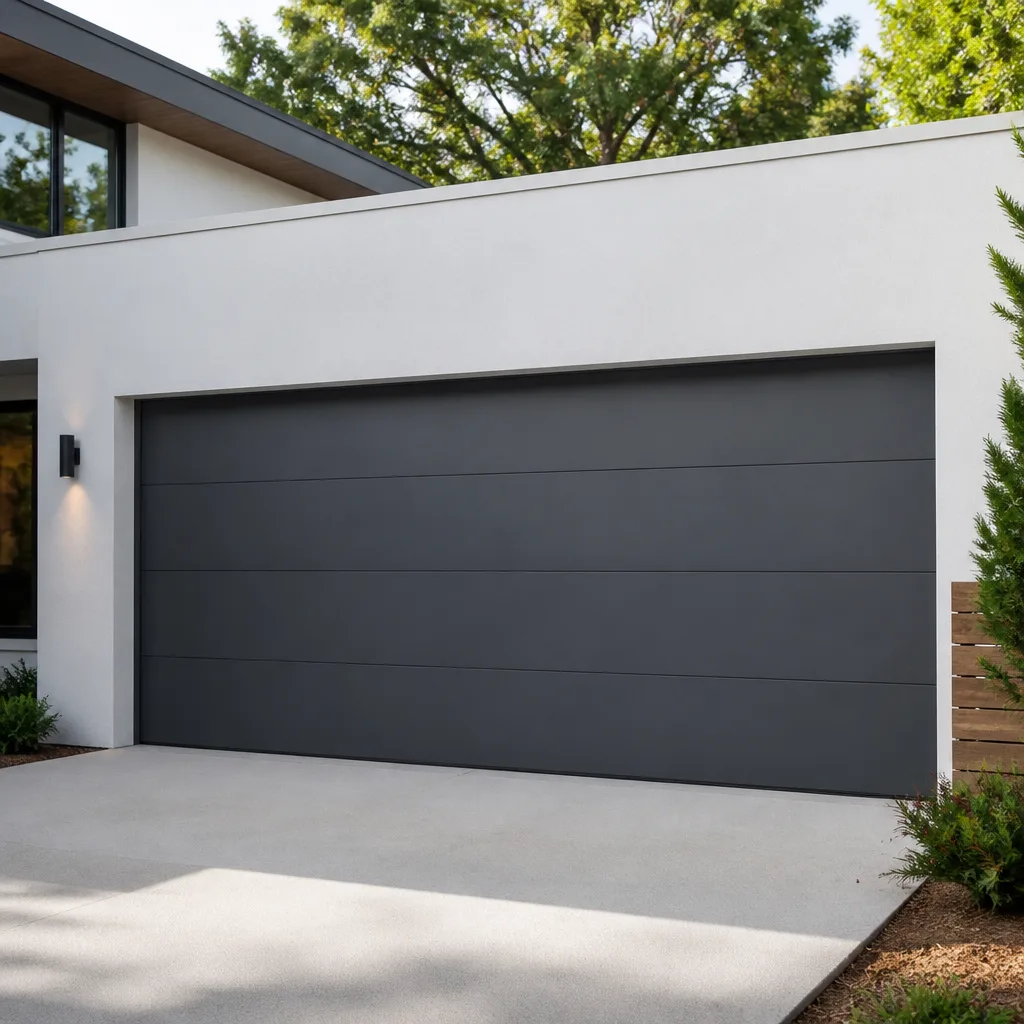
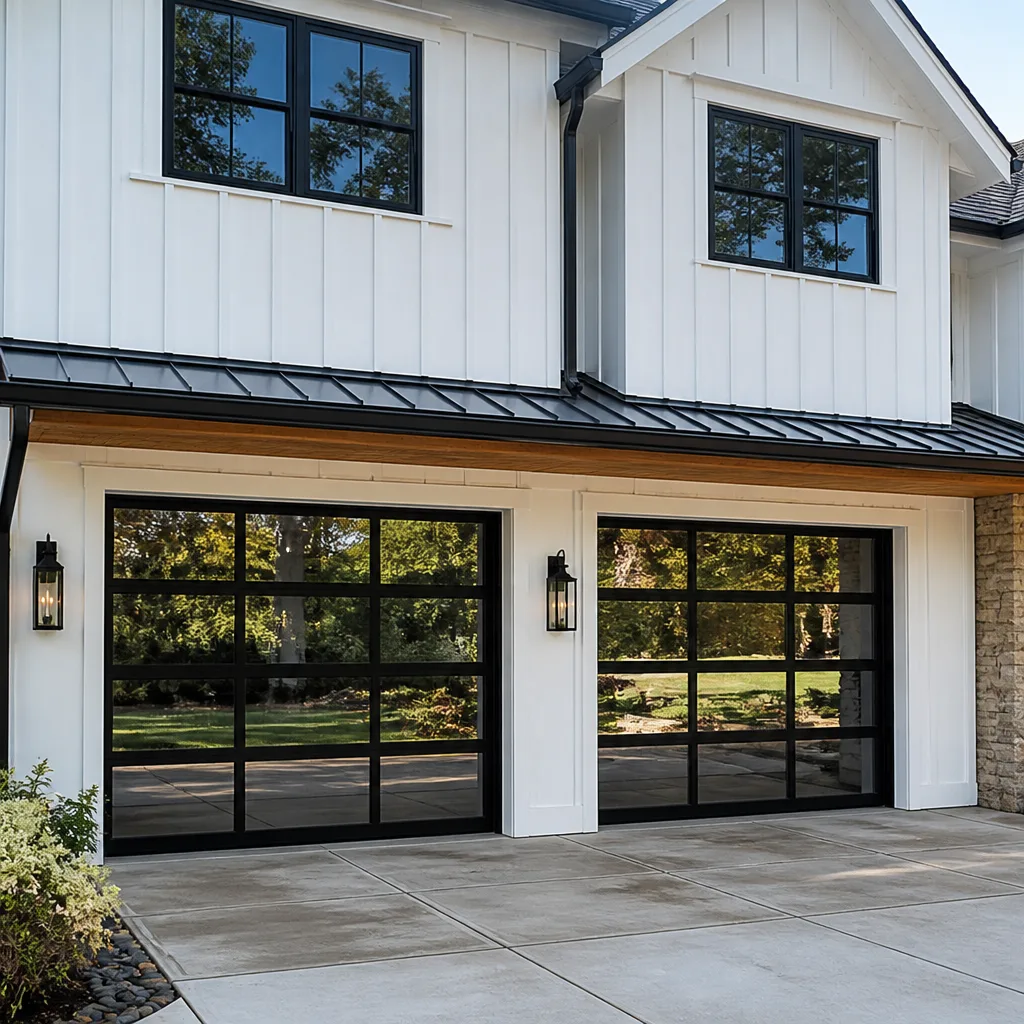
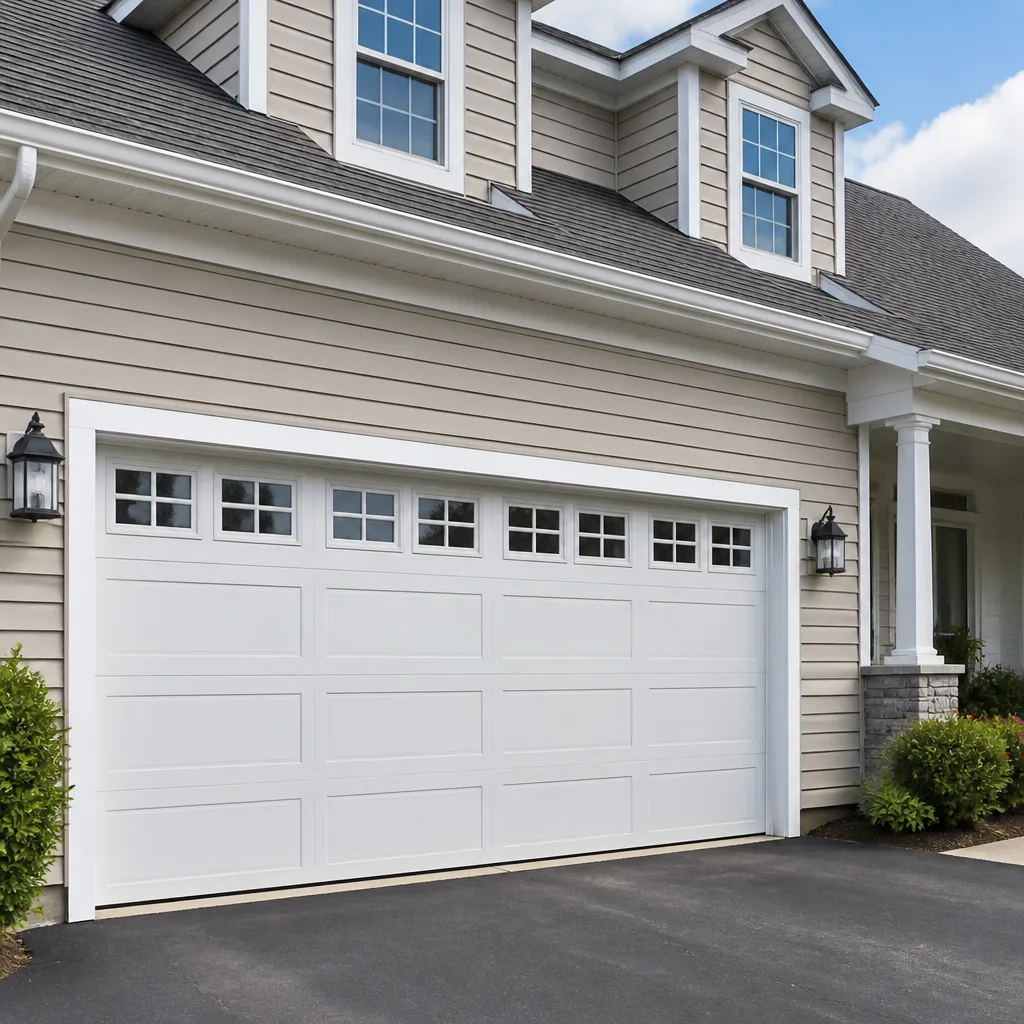
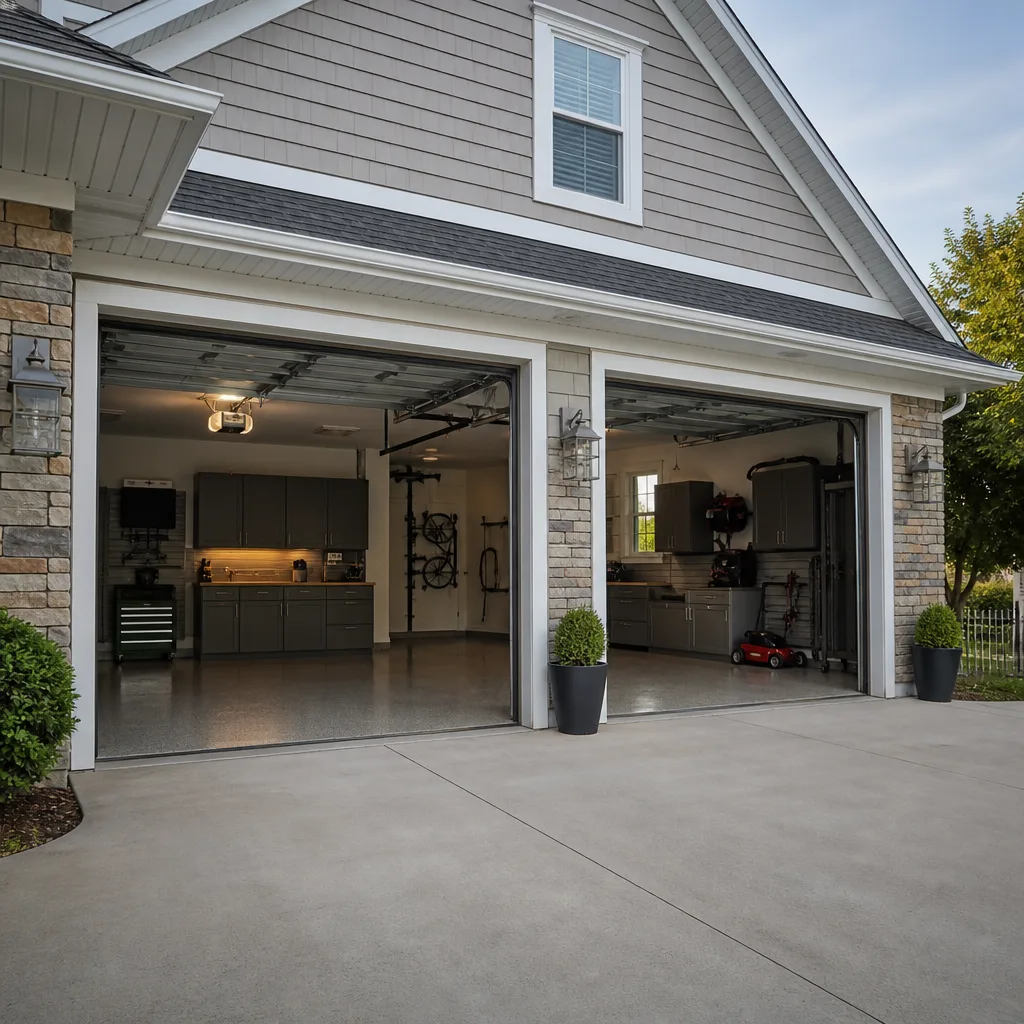
 Before
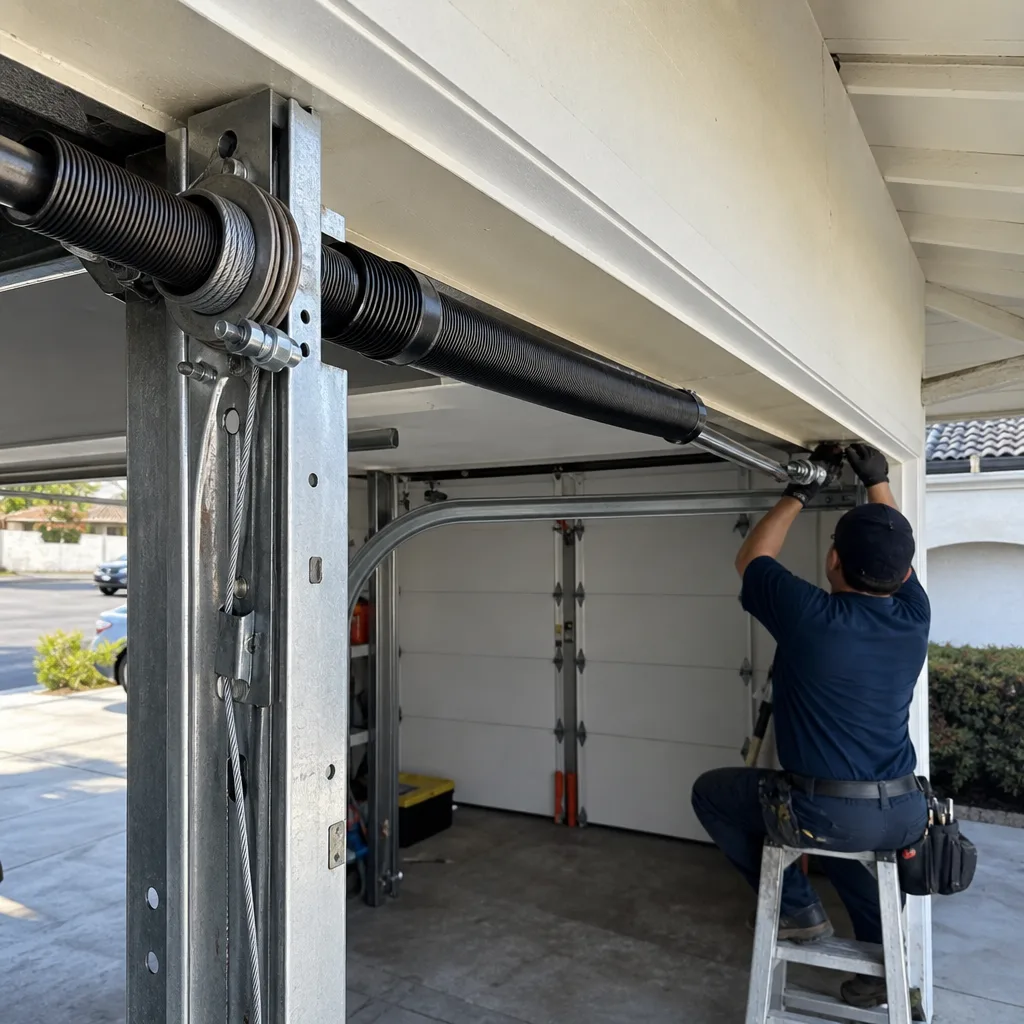 After
After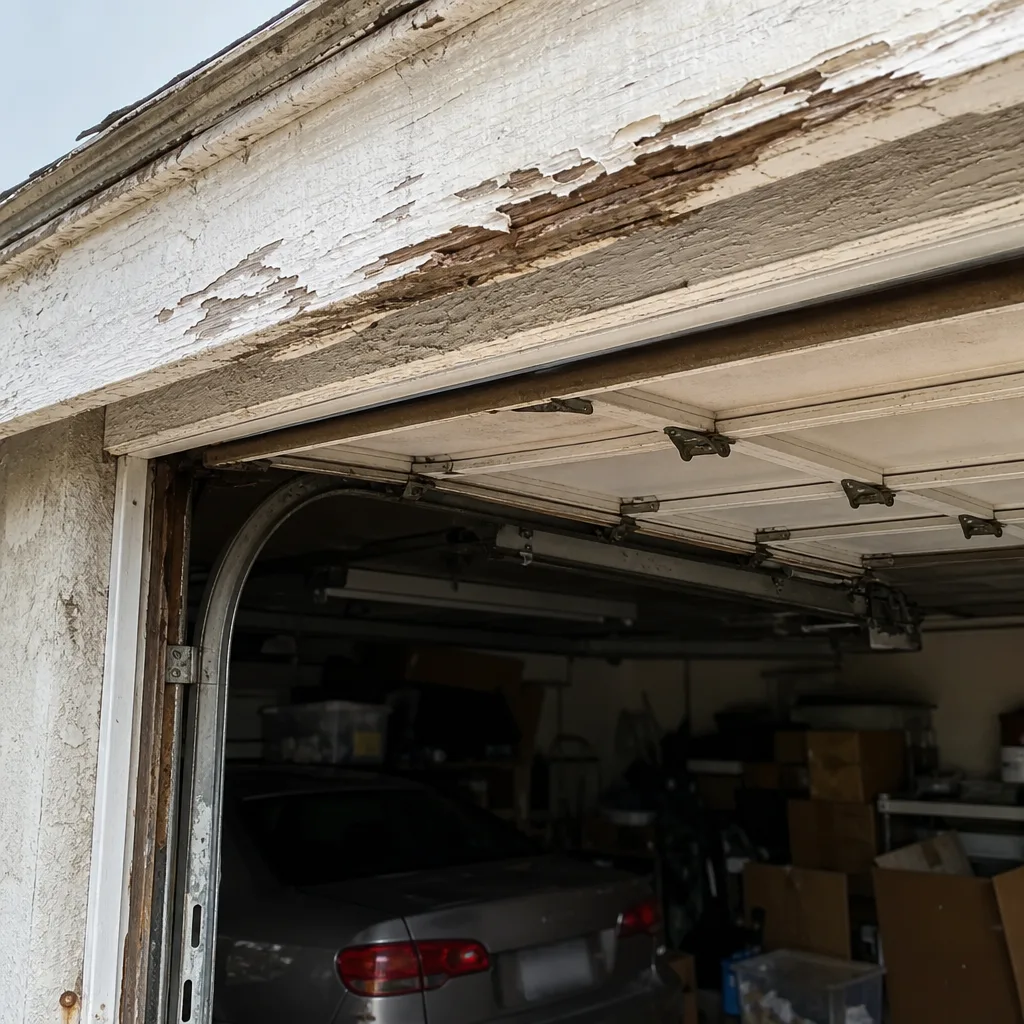 Before
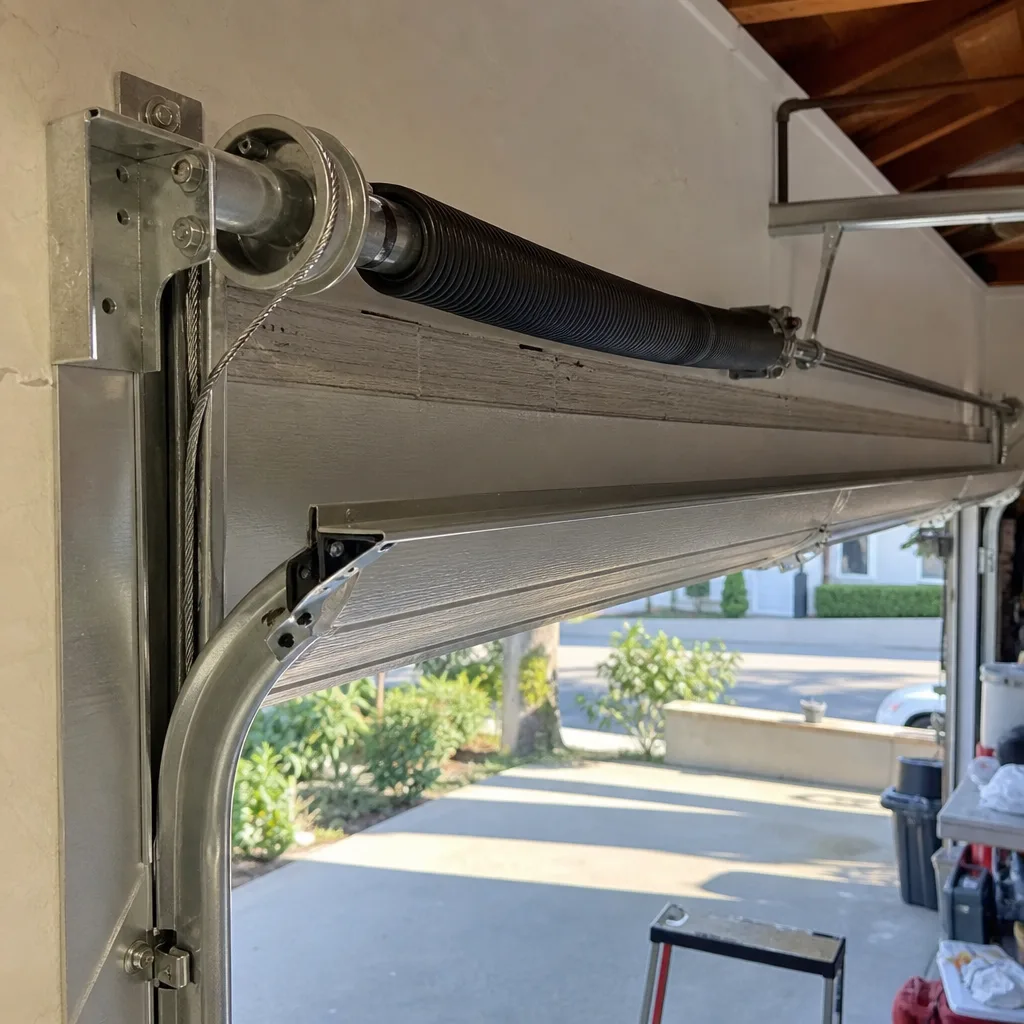 After
After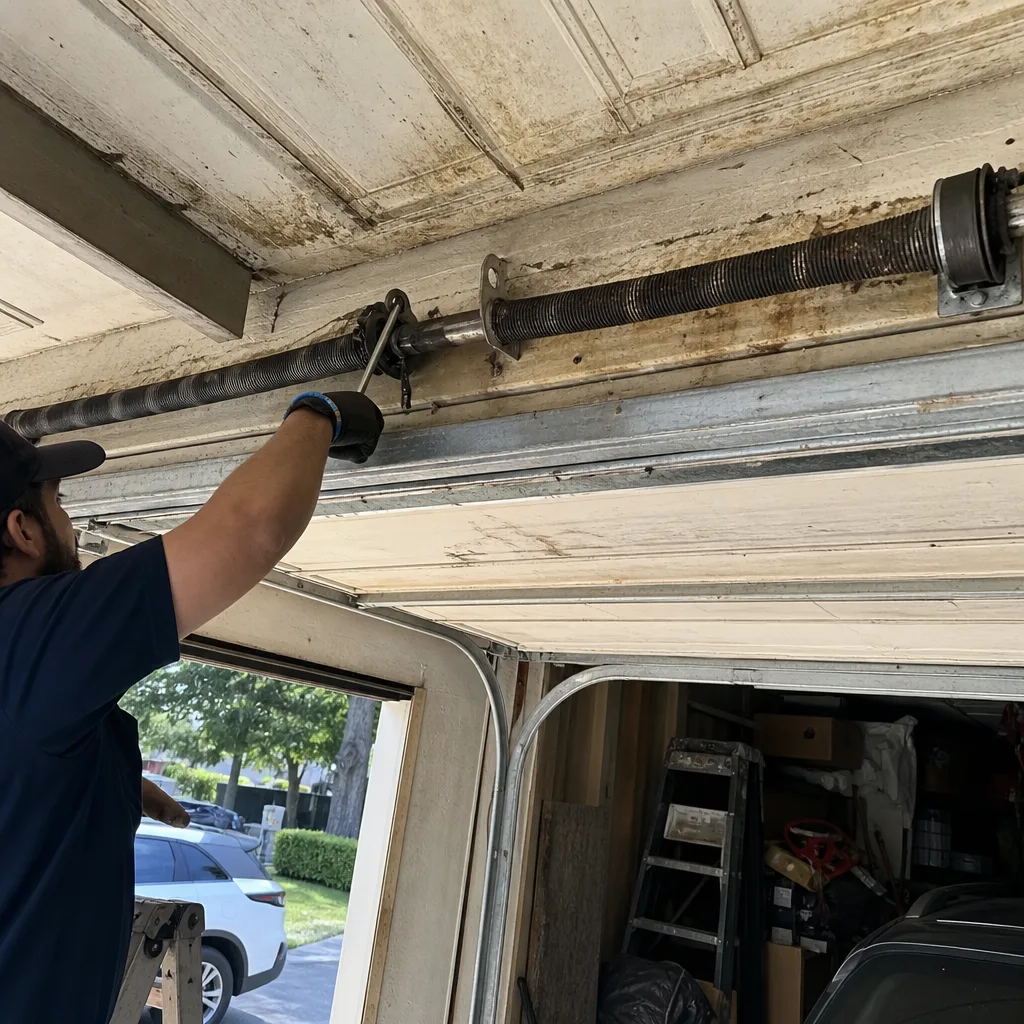 Before
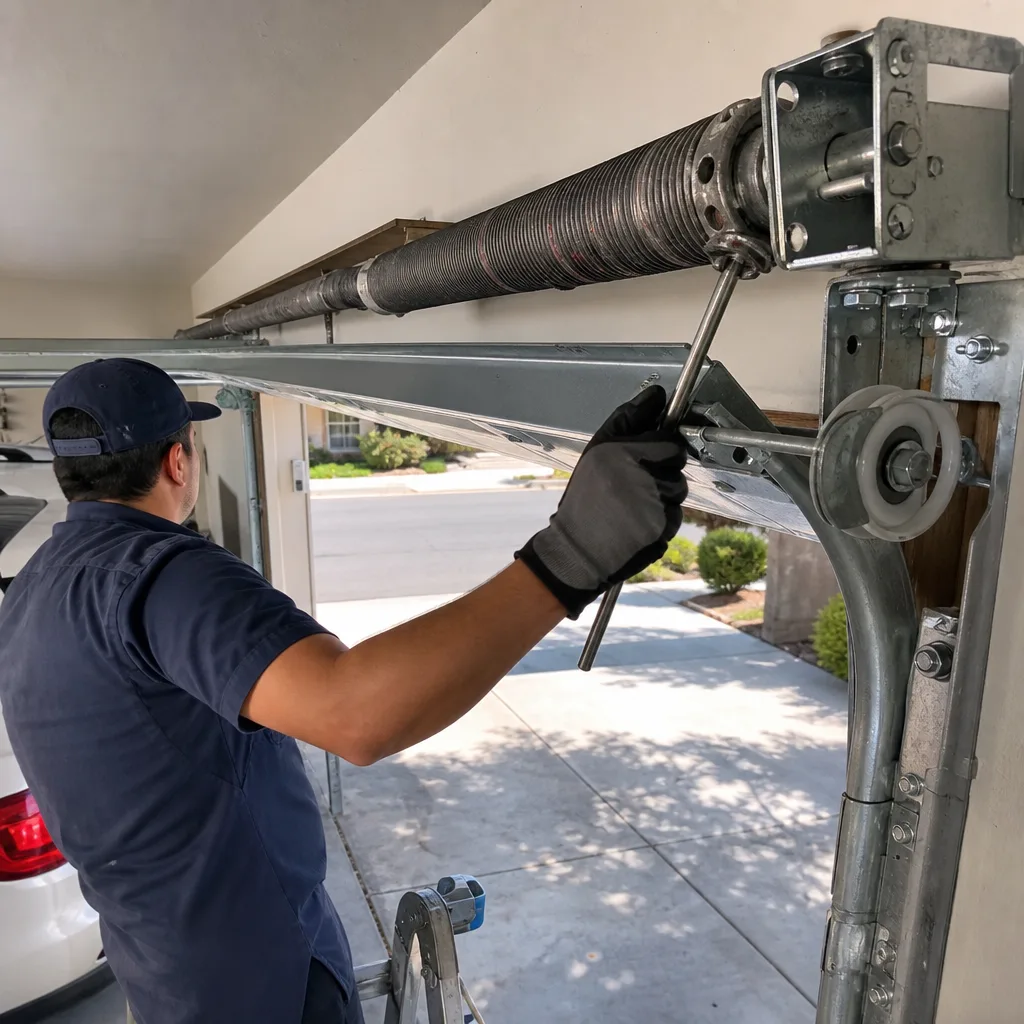 After
AfterThe Complete Guide to Garage Door in Tarzana
Most Tarzana homeowners can tell you the year their house was built, the name of their home insurance carrier, and roughly what they paid per square foot. Almost none can tell you the model number of their garage door opener, the wire diameter of their torsion spring, or the gauge of their door track. That last part is not a criticism. It is a documentation gap. And it costs real money every single time a technician has to start from zero because no baseline exists. This guide exists to close that gap. You will learn what to record, where to find it, why Tarzana’s specific building conditions change standard assumptions, and how to use your own paperwork to compare quotes line by line instead of guessing at totals.
Quick Answer
A complete garage door system in Tarzana has four documented data points that determine every future repair or replacement cost: panel specification, spring type, opener model, and sensor date. Record these once, keep them near the door, and every future service call starts from your baseline instead of a technician’s discovery process. Without it, you are accepting numbers you cannot verify.
Table of Contents
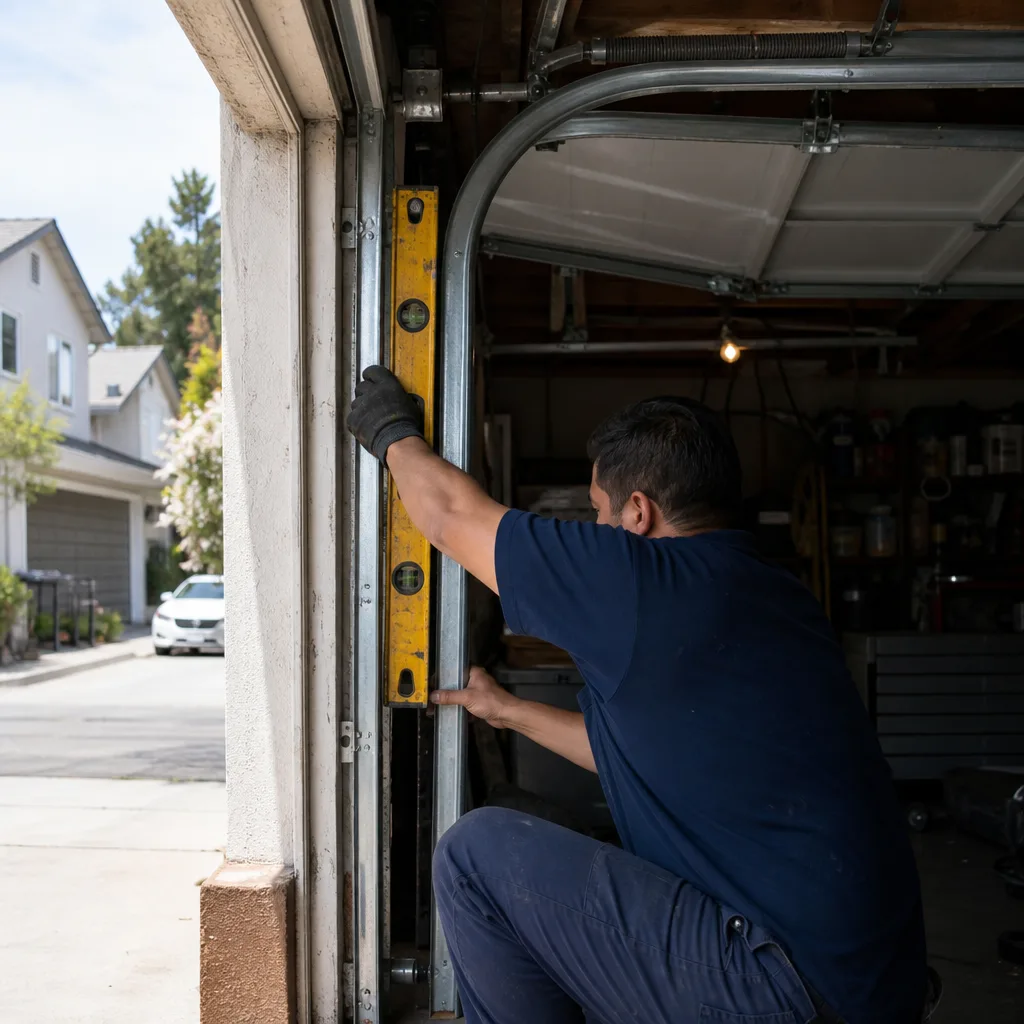
- The Four Data Points Every Tarzana Homeowner Should Record
- Why Tarzana Homes Break the Standard Pricing Assumptions
- Track Gauge: The Specification Nobody Mentions
- NEC vs. Title 24: Two Rules, One Door System
- How to Compare Quotes Using Your Documentation File
- Repair vs. Replace: Decision Points for Tarzana Doors
- Garage Door Opener Fundamentals
- Common Mistakes to Avoid
- When to Call a Professional
- Frequently Asked Questions
- The Bottom Line
BeforeAfterThe Four Data Points Every Tarzana Homeowner Should Record
Every garage door service call, whether it is a spring replacement in Tarzana or a full panel swap, references the same underlying specifications. When those specifications are already written down, the technician spends less time diagnosing and more time doing. When they are not, the first hour of every visit is discovery, and you pay for it either directly or in the form of a quote that hedges against the unknown.
Here is what to record. Each item takes less than five minutes and you will never need to do it twice.
Panel Specification
The panels are the large horizontal sections that form the door face. On the interior of any panel, usually near the top edge, a manufacturer label carries the model name, panel height, insulation R-value, and sometimes the original installation date. For a Clopay or Amarr door, the label is typically a white sticker with barcodes. For older Wayne Dalton doors, it may be a stamped metal plate. Photograph the label and copy the model name into a phone note. Panel spec matters because replacement sections must match in thickness and profile, and a mismatched panel looks wrong every time the door opens.
If the label is missing or painted over, measure the panel thickness at the edges. Most Tarzana homes built in the 1980s and 1990s have 1 3/8-inch panels. Newer construction frequently uses 2-inch panels with polyurethane insulation. The difference affects hardware, track, and spring sizing.
Spring Type and Wire Diameter
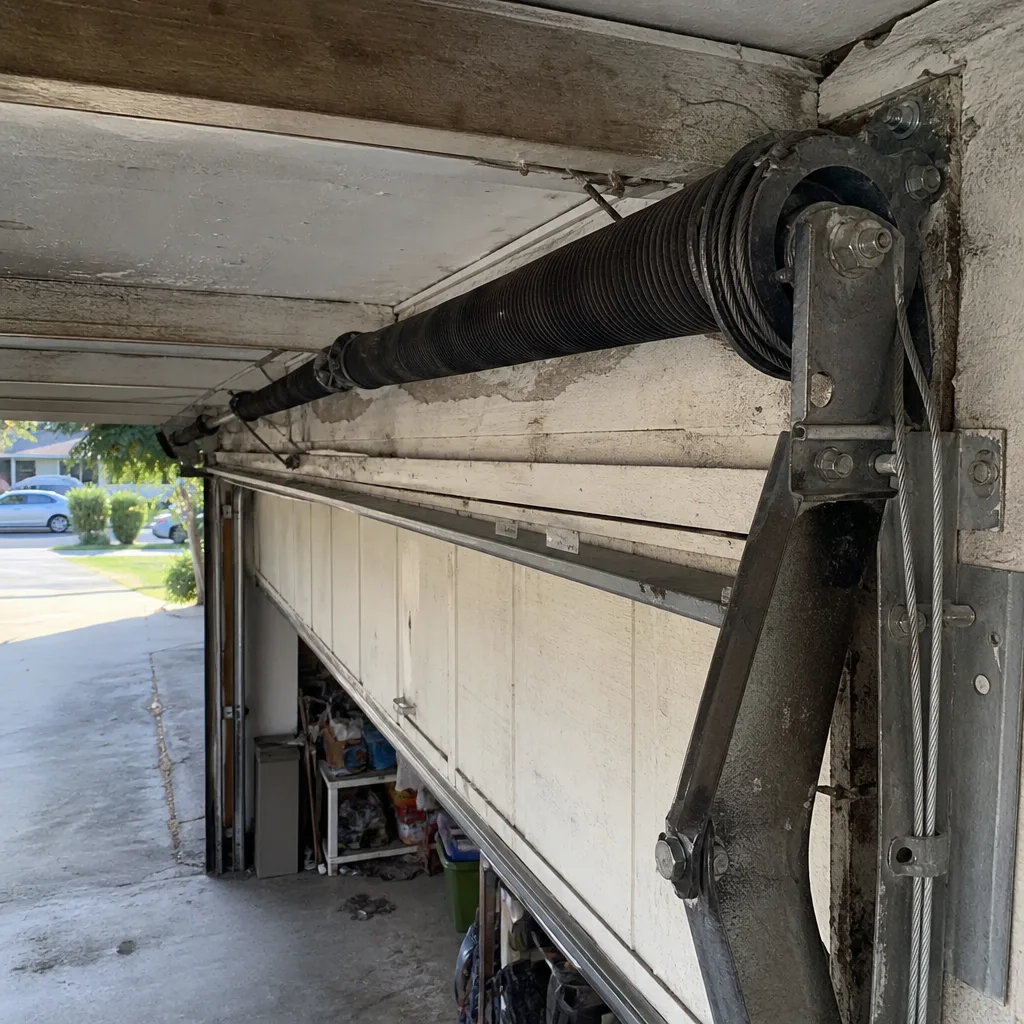
There are two spring systems. Torsion springs sit on a steel tube above the closed door, parallel to the floor. Extension springs stretch along the horizontal tracks on each side of the door. Torsion is more common on doors installed after 2000. Extension remains common on older Woodland Hills-adjacent Tarzana homes with original doors.
The wire diameter is stamped or etched on the spring cone or on the spring itself. For torsion springs, the relevant numbers are wire diameter, inside diameter, and length. A spring marked “.225 x 1.75 x 29” means 0.225-inch wire, 1.75-inch inside diameter, and 29 inches of length. Write all three numbers down. Springs are rated in cycles, not years. Two otherwise identical doors need different springs if one has a heavier panel set. When a spring breaks, your notation is the difference between a precise replacement and a technician picking something close.
Opener Model Number
The opener is the motor unit mounted to the ceiling. LiftMaster and Chamberlain print the model number on a sticker on the side of the motor housing. Craftsman openers, which are manufactured by Chamberlain, use the same format. The model number usually starts with three or four digits, a letter, and a revision code. Examples include LiftMaster 8550WLB or Chamberlain B970.
The model number tells any technician what logic board the unit uses, whether it supports MyQ or not, what the rail type is, and whether parts are still in production. Without it, opener diagnosis means removing the cover and reading numbers off the board, which takes time. With it, a Raynor or Genie opener can often be identified and parts ordered before the service visit.
Entrapment Sensor Date
The photo eyes at the bottom of the door tracks, one on each side, carry a manufacturing date stamp. Entrapment sensors became mandatory in 1993, but the relevant fact is the sensor’s age. Sensors degrade. The lenses cloud, the internal relays wear, and false interruptions become common. A sensor manufactured in 2007 and still in service in 2026 is a candidate for replacement on the next service call, not a component to patch. Write the date down. It goes on your documentation sheet next to the opener model.
Key Takeaways
- Panel spec: read the label, photograph it, copy the model name.
- Spring type: identify torsion vs. extension, then write down wire diameter, inside diameter, and length.
- Opener model: the sticker on the motor housing. Get the full model number, not the brand.
- Sensor date: the photo eyes carry a manufacturing stamp. Age tells you when to replace.
This documentation approach is not theoretical. It mirrors the way we work in garage door repair in Tarzana on every single call. There is a reason we photograph the failed component before quoting a replacement. That reason is Clause 4 of The Haven Standard, and it applies to your documentation file as much as ours.
Why Tarzana Homes Break the Standard Pricing Assumptions
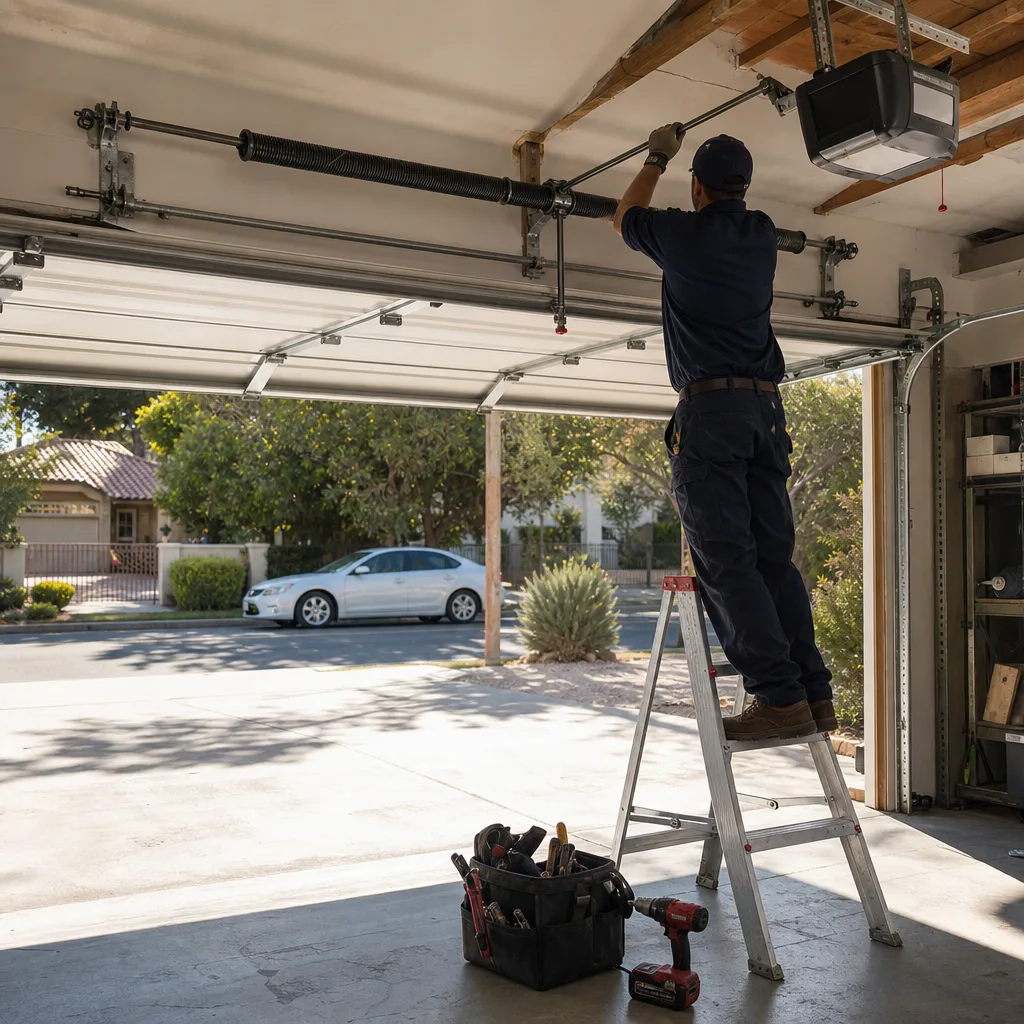
Garage door pricing guides written for a national audience assume a flat, level garage floor, standard 7-foot headroom above the opening, and eight inches of clearance from the door header to the ceiling. A meaningful portion of Tarzana homes meet none of those assumptions. The result is that online price ranges applied blindly to Tarzana addresses produce numbers that surprise homeowners in both directions.
Stucco and Sloped Lots
Tarzana’s housing stock is dominated by ranch-style and split-level homes built primarily from the 1950s through the 1970s, with infill construction continuing through the 1990s. Many of these homes sit on lots with a visible grade change from street to garage. A sloped lot changes the garage slab. When the slab is not level, the door’s bottom seal rides unevenly, tracks need adjustment shims, and the opener’s travel limits require more careful setting.
Stucco exterior walls create a second condition. Standard door installations assume drywall and framing at the opening. Tarzana’s stucco walls often extend into the garage opening jamb, reducing the rough opening width by an inch or more on each side. When a door is being replaced, the installer may need to cut stucco, which adds labor and time. When the door was installed by a previous owner, the tracks may be shimmed or offset, which affects how smoothly the door operates and what hardware will fit on the replacement.
Headroom Constraints
Many Tarzana garages, particularly under split-level homes, have ceiling heights of 7 feet 6 inches to 8 feet. A standard torsion spring setup with a 12-inch radius track requires roughly 12 inches of headroom above the top of the door opening. When headroom is tighter, the installation requires low-headroom track, which changes the geometry of every component above the door. Low-headroom kits are more expensive and change the spring sizing calculation. If your documentation file notes the track type, any future quote can be evaluated against the right baseline.
This is not a Tarzana problem in the sense of a defect. It is a Tarzana condition. Homes built on the hillsides near the Reseda Boulevard and Vanalden Avenue corridors show these patterns consistently. We see it in our garage door installation in Tarzana work, where the measure visit frequently uncovers conditions that standard pricing tables never anticipated.
Heat and Material Behavior
Tarzana’s summer temperatures routinely exceed 95 degrees for weeks at a time. That heat does two things to a garage door. First, it accelerates the degradation of rubber components: bottom seals, hinge bushings, and weatherstripping harden and crack on a predictable seasonal cycle. Second, it changes the expansion behavior of steel panels. A door that fits well in January can bind in August. The documentation file you keep should include the original installation season, because seasonal expansion is a known variable in the San Fernando Valley.
Track Gauge: The Specification Nobody Mentions
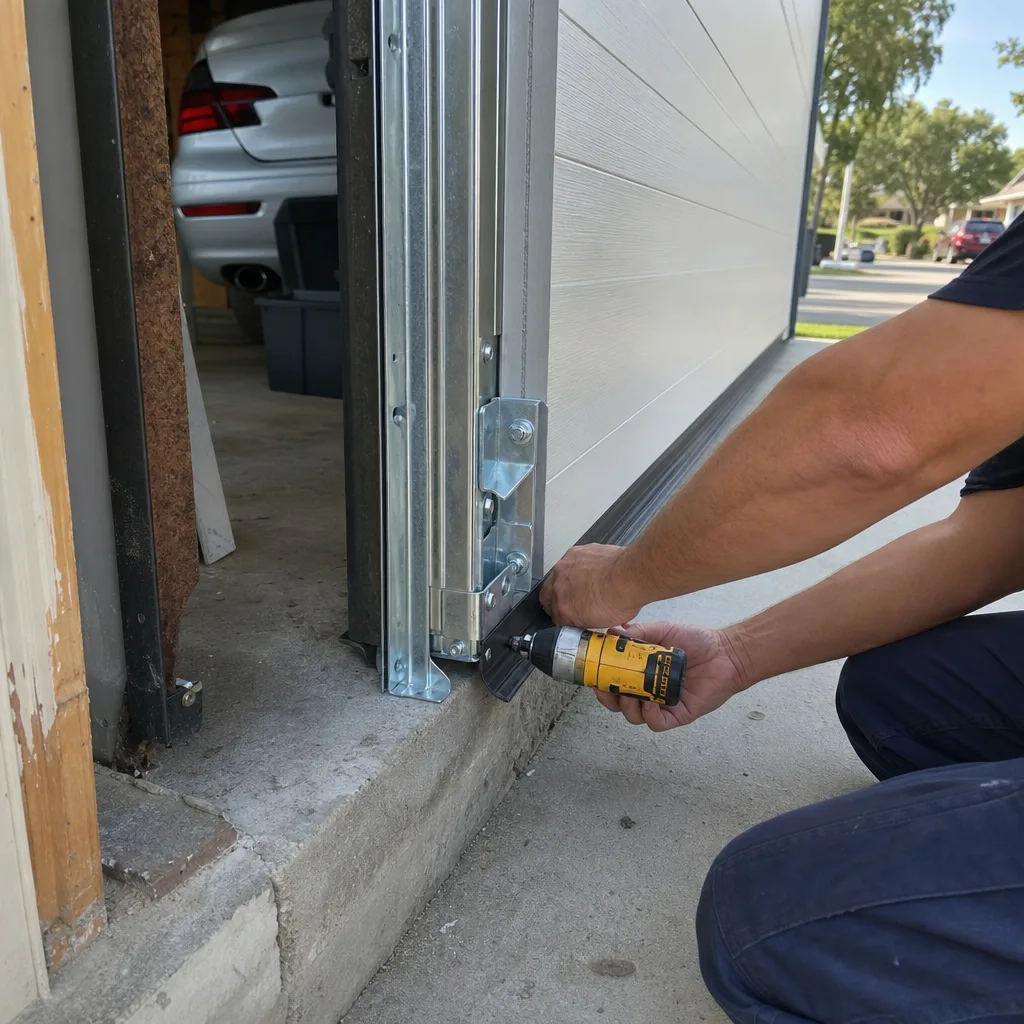
Door tracks are the steel channels on each side of the opening that guide the rollers. Track gauge is the thickness of the steel used in those channels. It is stamped on the track itself in many cases, and it is the most frequently overlooked specification in the entire garage door system.
Track gauge matters because it determines what hardware fits. Adjustable brackets, roller carriers, and even the hinges that mount to the panels are designed for specific track profiles. A 2-inch track accepts rollers with a matching stem length. A mismatched roller will ride loose or bind. When a technician replaces a hinge or roller without knowing the track gauge, the result is a door that works for a few weeks and then starts grinding.
In our experience across Tarzana’s neighborhoods, track gauge mismatches are the most common source of repeat service calls. A previous repair used a 14-gauge bracket on a 12-gauge track, or vice versa. The hardware held for a season and then loosened. The homeowner does not know any of this. They only know the door is noisy again.
Here is the step-by-step way to document your track gauge:
- Locate the vertical track on either side of the door. The gauge stamp is usually on the flat face of the track, within a foot of the floor.
- Read the number. Common gauges are 16, 14, and 12. Lower number means thicker steel. Residential doors in Tarzana are almost always 16 or 14 gauge.
- Measure the track width if no stamp is visible. Standard residential tracks measure 2 inches or 3 inches wide at the channel opening.
- Note the roller stem length. Pull one roller out of the track (when the door is closed) and measure the stem. Common lengths are 4 inches and 7 inches.
- Write all three numbers down: gauge, width, stem length.
This information is not decorative. When you request a quote for any hardware replacement, from rollers to hinges to brackets, the person pricing the job should ask for these numbers. If they do not ask, they are guessing.
NEC vs. Title 24: Two Rules, One Door System
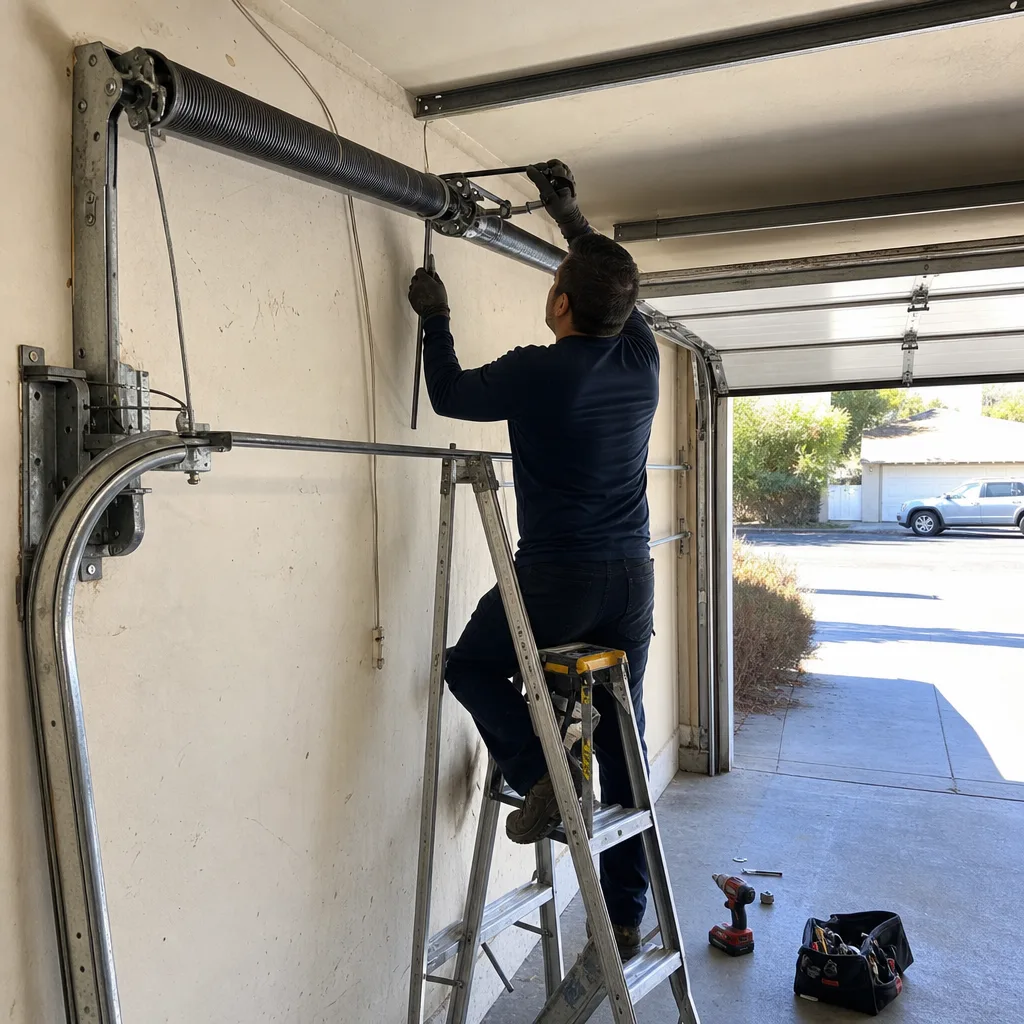
California garage doors are governed by two different regulatory frameworks, and knowing which one applies to which part of the system prevents expensive confusion. The National Electrical Code (NEC), as adopted by the state and enforced locally, governs the electrical side: the opener circuit, the dedicated outlet, the grounding, and the wiring. California Title 24 governs the energy side: insulation values, air infiltration, and thermal performance of the door assembly.
The practical distinction matters when you are planning work. If you are replacing a garage door opener in Tarzana, the relevant permitting and inspection path follows the NEC. Our Garage Door Permits, Codes & Inspections in CA: What You Need to Know explains the full process. The outlet in the garage ceiling must be a dedicated 120-volt circuit with GFCI protection where required. The opener motor draws modest current, but a dedicated circuit avoids the nuisance tripping that occurs when the garage shares a circuit with a bathroom or exterior load. If your opener is original to a 1960s home and the wiring is cloth-insulated, a licensed technician should evaluate the circuit before a new opener is installed.
Title 24 applies to the door itself. Since 2016, residential garage doors sold and installed in California must meet minimum insulation standards depending on the climate zone. Tarzana sits in Climate Zone 9. The requirement for a garage door in this zone is not as stringent as it is for a conditioned living space, but a door that is labeled as insulated must meet the R-value printed on its certification label. If you are comparing replacement doors, the R-value on the spec sheet should match the label on the product, not the number in a marketing brochure.
Why does this matter for the documentation file? Because when you record your door’s panel specification, you should also note whether it carries a Title 24 compliance label. If it does, the R-value is on that label. If it does not, the door predates the current standard or was never certified. That detail changes your replacement conversation.
For garage door opener repair and installation in Tarzana, the electrical details drive the quote. For the door itself, the Title 24 label drives the conversation. They are different rules for different parts of the same system, and conflating them leads to unnecessary rework.
How to Compare Quotes Using Your Documentation File
The reason most homeowners compare garage door quotes by total price is that they have no other basis for comparison. The documentation file changes that. When you have the panel spec, spring dimensions, track gauge, and opener model written down, you can compare quotes line by line the way a general contractor would.
Here is the method, step by step:
- Ask each company for a written scope, not a verbal estimate. A one-line number is not a quote. A written scope lists the parts, the labor, and the warranty. If the company will not provide one, end the conversation.
- Match the parts on each quote to your documentation. If your torsion spring is .225 x 1.75 x 29 and one quote lists a .218 x 2 x 28 spring, that is a different part. It may work. It may not. The quote should explain why the spec changed.
- Compare the spring cycle rating, not just the spring price. A 10,000-cycle spring costs more than a 7,000-cycle spring. If two quotes differ by $80 on the spring, look at the cycle rating before you decide which is cheaper.
- Check the opener model number on quotes for opener work. If your documentation lists a LiftMaster 8550WLB and a quote proposes a different model, ask why. Sometimes the reasoning is sound: the unit may be discontinued. Sometimes the reasoning is “that’s what’s on the truck.” The difference is visible.
- Verify every line item in the quote has a warranty period attached. A parts warranty without a labor warranty has less value. A handwritten “one year” with no scope has no enforceable meaning.
This line-by-line method is exactly how Servo Garage Doors Tarzana home operates on the other side of the transaction. We quote a flat, written price with a written scope before any work starts. That is Clause 1 of The Haven Standard. We photograph the failed component before quoting a replacement, which is Clause 4. You see what we see, and the quote references the same parts you have documented.
If you already have a competing written estimate and want a second opinion, bring the paperwork. Marcus Deller and the team will review it against your documentation file and tell you what matches, what does not, and what you should ask about. There is no coupon code and no fee for this.
Repair vs. Replace: Decision Points for Tarzana Doors
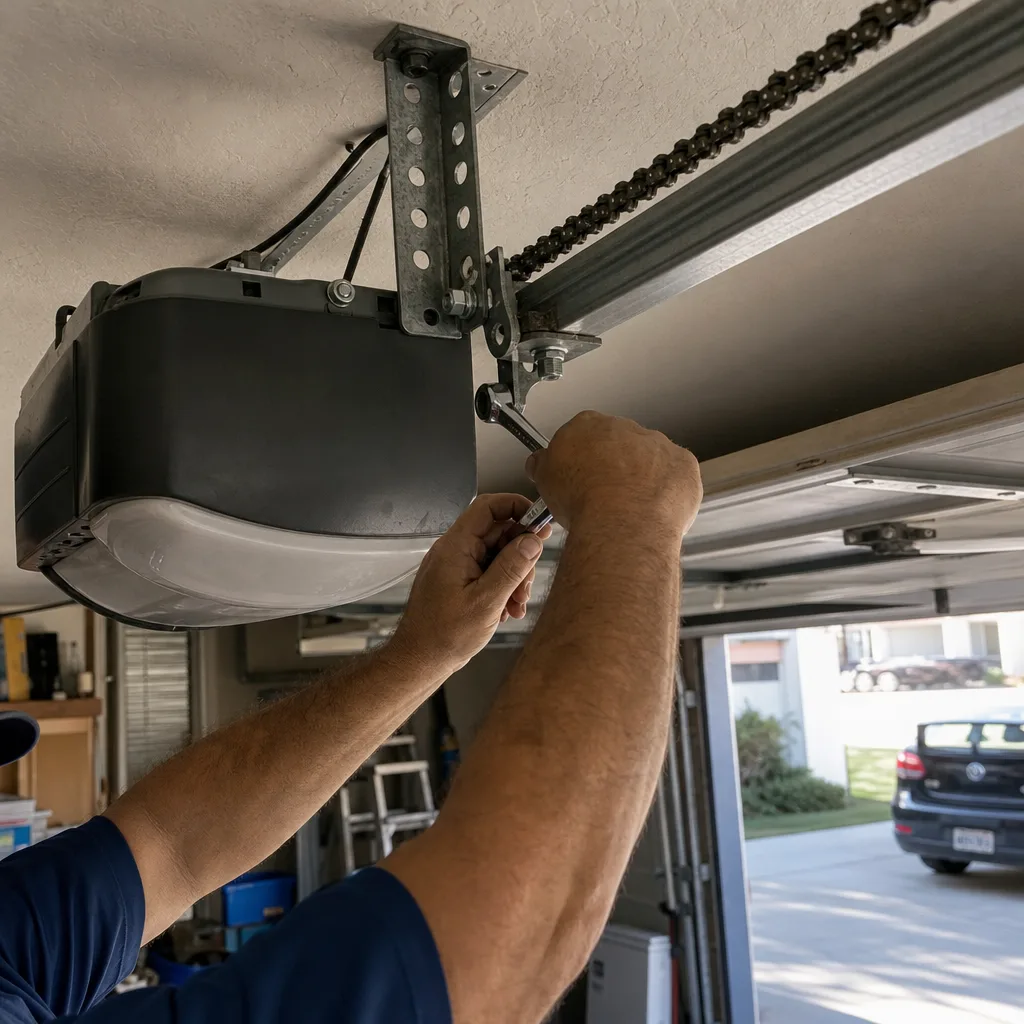
The repair versus replacement decision is rarely a single threshold. It is a set of conditions that accumulate. Here is how to evaluate them in order:
Panel Condition
If a single panel is dented or cracked, replacement is often possible if the panel spec is still in production. If the panel is from a manufacturer that has discontinued the line, or the panel is a non-standard height, replacement means either a mismatched used panel or a full door swap. For doors with wood-grain finishes, a replacement panel will not match the faded original. In Tarzana’s sun exposure, fade is not subtle.
Spring Age and Cycle Count
Springs are rated in cycles, and the average residential spring installed in the San Fernando Valley is rated at 10,000 cycles, which translates to roughly seven to ten years of typical use. If one spring has broken and the other is the same age, replacing both is standard practice. If the documentation file shows the springs were replaced three years ago with 10,000-cycle units, a single spring failure may indicate a door balance issue rather than normal wear.
Track Condition and Gauge
Bent or rusted tracks cannot be straightened reliably. If the tracks are original to a 1970s home and showing corrosion at the floor line, replacement is cheaper than repeated roller and hinge replacements on compromised track.
Opener Age
An opener older than about fifteen years is often running a logic board that is no longer manufactured. When the board fails, the opener is done. Spending $300 to replace a gear on a fifteen-year-old unit that may have a board failure next month is not a good allocation. A new Chamberlain or LiftMaster unit with a modern rail and safety features typically costs less than the accumulated patch repairs on a unit past its service life.
Garage Door Opener Fundamentals
The opener is the motor and drive assembly that moves the door. It is the part most people interact with daily and the part most commonly misidentified. Three drive types dominate the market, and each has different maintenance characteristics.
Belt Drive
Belt drive openers use a reinforced rubber belt to move the trolley along the rail. They are the quietest option and are common in homes where a bedroom sits above or adjacent to the garage, which describes a substantial number of Tarzana’s split-level and two-story homes.
Chain Drive
Chain drive openers use a metal chain. They are louder and cheaper. They remain common in detached garages where noise is less of a concern. A chain drive in an attached garage under a living space will be audible every time the door cycles.
Screw Drive
Screw drive openers use a threaded steel rod. Genie built its reputation on screw drive units. They have fewer moving parts than chain drives and require less frequent adjustment, but the screw must be lubricated on a schedule, and in Tarzana’s heat, that schedule compresses. A dry screw drive in August sounds unmistakable.
The key documentation points for an opener are the model number and the drive type. With those two facts, any future service conversation starts at the right level.
Common Mistakes to Avoid
- Recording the brand but not the model number. “It’s a LiftMaster” narrows it to about forty possible units. The model number narrows it to one. Write the whole string.
- Assuming all springs are interchangeable. Spring sizing is a calculation based on door weight, track geometry, and cycle rating. A spring that fits is not the same as a spring that is correct.
- Replacing rollers without checking track gauge. A 4-inch stem roller does not fit a 7-inch stem track. This is the mistake we see most often in Tarzana homes where a previous owner did a quick fix.
- Waiting until the sensor is fully dead to replace it. An entrapment sensor that fails intermittently is a safety risk, not just an inconvenience. If your documentation shows the sensor date is more than ten years old, plan the replacement.
- Comparing quotes by total price. Total price hides the details. Compare line items against your documented specifications. The cheaper quote is often the less specific one.
- Ignoring the Title 24 label when buying a replacement door. In Tarzana’s climate zone, an uninsulated door in an attached garage transfers heat into the home. The label tells you what you are actually buying.
When to Call a Professional
Any work involving torsion springs requires a trained technician. The stored energy in a wound torsion spring is sufficient to cause serious injury. Do not attempt spring replacement or adjustment yourself, even with video instruction. The same applies to any track work that involves removing or repositioning the bottom brackets, which are under constant tension from the cable. For routine maintenance, a professional annual inspection catches wear before it becomes a failure. For any electrical work on the opener circuit, a licensed professional is required by code.
Servo Garage Doors Tarzana offers free estimates in Tarzana. Call (424) 372-1317 to schedule a visit. A live person answers, a named technician is assigned, and you receive a written price and written scope before any work starts.
Frequently Asked Questions
Typical repair costs in Tarzana range from $150 to $450 for most common fixes: spring replacement, roller replacement, track realignment, sensor replacement, and opener gear swaps. Component replacement on a single section of a standard door most often lands between $200 and $350. The final number depends on your door’s documented specs, which is why the file matters. Call (424) 372-1317 for an exact written quote, always provided as a flat price before any work begins.
A well-maintained steel door in Tarzana typically lasts 20 to 30 years, with lower-end builder-grade doors failing sooner, often at 12 to 15 years. The limiting factors in the San Fernando Valley are summer heat cycles on rubber components and track corrosion from occasional hard rains followed by long dry spells. Wood doors can last longer with diligent sealing, but most Tarzana homeowners replace them with steel after the maintenance burden becomes apparent.
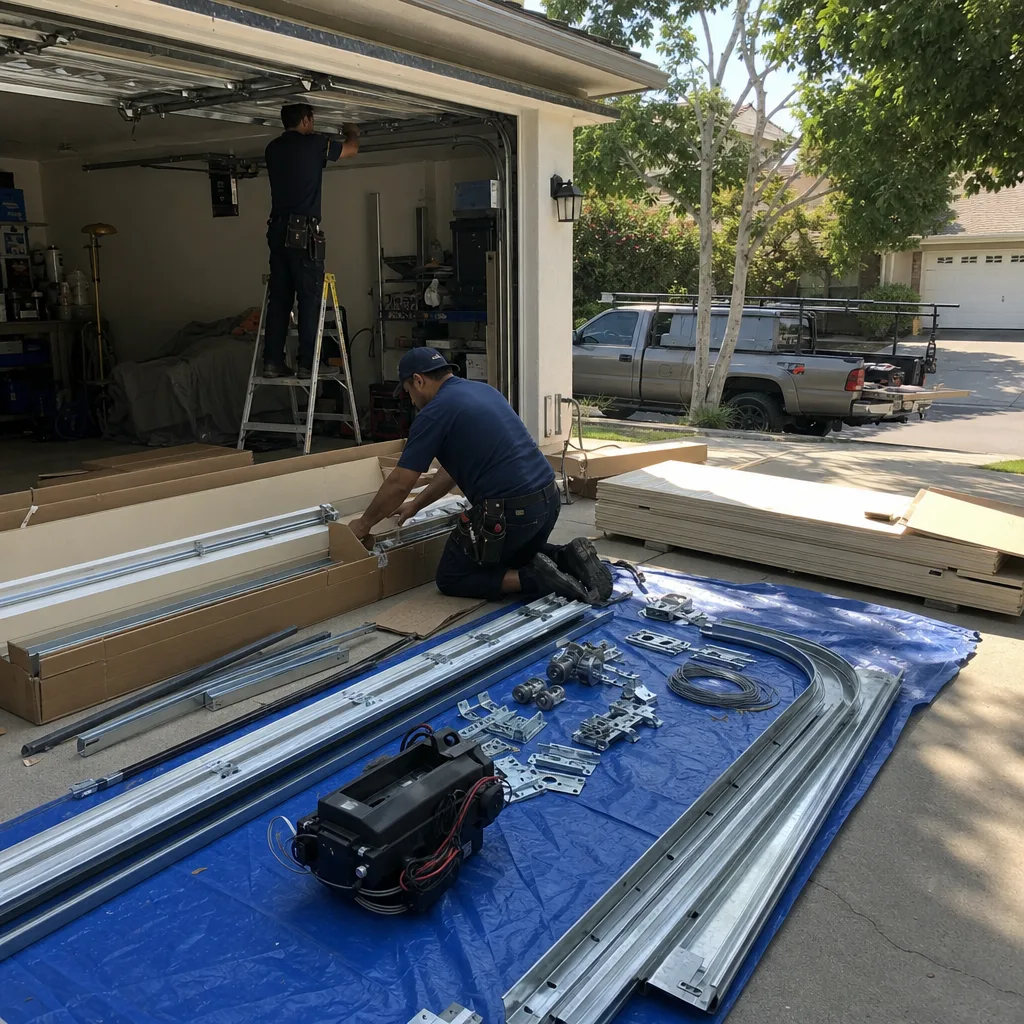
Most repairs can be completed the same day when parts are on the truck. Springs, rollers, hinges, and sensors are standard stock. For unusual or discontinued parts, ordering adds a day or two. Servo Garage Doors Tarzana maintains live phone coverage 24 hours a day, 7 days a week, with a named technician and an on-the-way text, not a callback window. Call (424) 372-1317 for current availability.
A standard single or double garage door replacement in Tarzana typically falls between $1,800 and $5,500 installed, depending on panel spec, insulation, track type, and any stucco or headroom adjustments required by the structure. See our Garage Door Cost Breakdown: The Tarzana Homeowner’s Reference for 2026 for a detailed line-item breakdown. The measure visit determines the final number. Every quote we provide is a flat, written price with a written scope, delivered before any work starts. So the price you accept is the price you pay.
The spring calculation itself is universal: it depends on door weight, track geometry, and desired cycle rating. What varies in Tarzana is the prevalence of low-headroom track on hillside and split-level homes, which changes the spring sizing formula. A door on low-headroom track with a heavy insulated panel set requires a different spring than the same door on standard track. Your documentation file should note your track type precisely because of this.
No. The Free Second Opinion offer means you can bring any competing written estimate to Servo Garage Doors Tarzana, and Marcus Deller and the team will review it against your door’s equipment and documentation. You receive an honest assessment of whether the quote matches your equipment, with no charge and no obligation. Call (424) 372-1317 to arrange a time.
The Bottom Line
A garage door is a mechanical system with documented specifications, not a mystery that requires an interpretive expert. In Tarzana, where split-level homes, stucco jambs, and summer heat each introduce variables that national pricing guides ignore, your own documentation is the only reliable baseline. Record the four data points: panel spec, spring dimensions, track gauge, and opener model. Note the sensor date. Keep those facts near the door, and use them to compare written quotes line by line. The alternative is accepting whatever number you are quoted, unverified, every single time. The Haven Standard exists so the garage door industry can operate differently, with a written price before work and a photo record after. Your file does the same thing from the homeowner’s side.
Written by Marcus Deller, Owner at Servo Garage Doors Tarzana, serving Tarzana since 2015.
For a free estimate on any garage door work in Tarzana, call (424) 372-1317. A live person answers. You will receive a written price and written scope before any work starts, and a documented photo record when the technician leaves.